
Blog

You are here:

10 Wire Cable Tray Buying Tips for Global Buyers

Global infrastructure is expanding, but cable management decisions remain surprisingly easy to underestimate. The International Energy Agency’s Electricity 2024 report estimates that data center electricity consumption could exceed 1,000 TWh annually by 2026. That growth increases demand for reliable routing, grounding, ventilation, and maintenance access. A properly selected wire cable tray can support these needs in factories, offices, transport facilities, and data centers.

The purchase decision involves more than width and price. Buyers must examine load capacity, material, corrosion resistance, cable fill, fire performance, bonding, and installation conditions. IEC 61537 provides internationally recognized requirements for cable tray and cable ladder systems. In North America, NEMA VE 1 and NFPA 70 also influence system selection and installation practices. These references offer a strong technical foundation, but they cannot replace site-specific engineering judgment.

A coastal warehouse may require stainless steel or enhanced protective coatings. A high-density server room may need wider trays, tighter routing control, and clearer separation between power and data cables. A small visual detail matters: sharp edges can damage insulation during pulling. That risk is avoidable.

This guide presents ten practical wire cable tray buying tips for global buyers. It considers supplier documentation, testing evidence, dimensions, delivery reliability, and long-term maintenance. Experience shows that the cheapest quotation is rarely the lowest total cost. Still, no checklist removes every site surprise. Product data can be incomplete, and assumptions can fail during installation. Careful buyers should verify certifications, inspect samples, and challenge unclear claims before placing an international order.
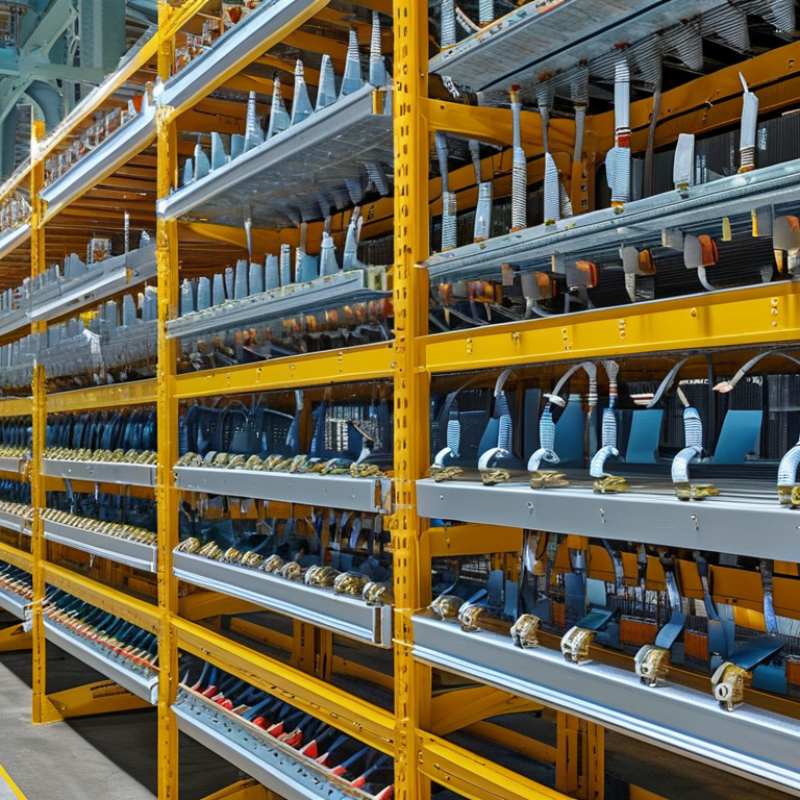
10 Wire Cable Tray Buying Tips for Global Buyers

Understanding Wire Cable Tray Types and Global Standards

For global buyers, understanding tray types is more useful than comparing prices alone. Wire mesh trays use welded steel wires, creating open airflow and quick access for inspections. They suit control, data, and power cables when dust buildup must be limited. Ladder trays provide stronger support for heavier cables, while perforated or solid-bottom designs protect smaller cables from falling debris. The choice affects installation time, ventilation, and cleaning effort. Not every wire tray performs the same way.

International purchasing also requires careful reading of standards. IEC 61537 addresses cable tray systems and their mechanical performance. NEMA VE 1 is commonly referenced in North American projects. Some markets may require additional fire, electrical, seismic, or corrosion documentation. A compliant product in one region may still need local approval. Check the test scope, not just the standard number. Ask for load tables, deflection limits, coating details, and reports tied to the exact configuration. Mixing fittings from different systems can weaken continuity and bonding.

Field inspections often reveal problems before shipment. Check welds, cut edges, couplers, and grounding points. Measure tray width and usable depth; drawings can hide awkward cable bends. Stainless steel helps in humid or chemical areas, but it increases cost and cannot solve every corrosion problem. Galvanized finishes need different care near salt air. A tray chosen by appearance may require extra supports later. Leave room for expansion, because future cables rarely follow the original plan. Recheck local requirements with a qualified engineer before ordering.

10 Wire Cable Tray Buying Tips for Global Buyers: Understanding Wire Cable Tray Types and Global Standards

Typical market width ranges for common wire cable tray constructions. Use these figures for initial planning only; confirm final dimensions, load capacity, corrosion protection, grounding, and applicable requirements such as IEC 61537, NEMA VE 1, or local electrical codes before purchase.

Buying insight: Wire mesh trays are often selected for light-to-medium cable installations and frequent cable changes, while ladder, perforated, and solid-bottom trays are commonly specified when greater support, protection, or separation is required.

Assessing Cable Load, Dimensions, and Installation Requirements

10 Wire Cable Tray Buying Tips for Global Buyers

Cable load must be calculated, not guessed. Add each cable’s weight per metre, then include a practical allowance for future circuits. NEMA VE 1 classifies tray systems by load and support span, but project conditions still control the selection. A heavy power bundle can deform a lightly supported tray. Check manufacturer test data, span spacing, and deflection limits. The IEA’s Electricity 2024 report projects global data-centre electricity demand may exceed 1,000 TWh by 2026. Higher demand may mean denser and heavier cable routes.

Dimensions require more than width. Measure cable outside diameters, bending radii, separators, and working clearance. NFPA 70, 2023, Article 392, limits cable fill according to cable type and size; many multiconductor arrangements use 40% or 50% fill limits. Do not design to the edge. Leave space for pulling tools and inspection access. Installation details matter too. Confirm support spacing, wall penetrations, corrosion exposure, bonding, fire stopping, and seismic requirements. IEC 61537 provides a useful framework for cable tray performance and testing, but local codes may differ.

Tips: Request a load table, not only a product photograph. Check the heaviest cable section first. Verify tray width after adding spare capacity. Review the route with installers before ordering. I have seen dimension drawings miss bend-radius conflicts. That mistake is expensive. Recheck every transition.

10 Wire Cable Tray Buying Tips for Global Buyers - Assessing Cable Load, Dimensions, and Installation Requirements

No. Buying Dimension What to Assess Practical Calculation or Reference Recommended Buying Check Typical Risk if Ignored
1 Cable Load Capacity Confirm the total weight of power, control, instrumentation, and communication cables that the tray must support. Total cable load = cable weight per metre × tray length. Add the specified safety margin required by the project or local code. Compare the calculated load with the manufacturer’s load table at the actual support span, not only at the shortest span. Tray deflection, deformation, fastener failure, or cable damage.
2 Tray Width and Fill Allow enough usable width for the planned cables, separation requirements, and future additions. Calculate the combined cable diameters and check the applicable fill limit. A common design practice is to reserve approximately 20%–30% spare capacity for future expansion. Select the next standard width if the calculated fill is close to the limit or cable routing is congested. Overcrowding, difficult maintenance, poor heat dissipation, and cable installation delays.
3 Tray Depth and Cable Diameter Check whether the tray side-rail height can contain the largest cable without excessive stacking or overhanging. Compare the largest outside cable diameter with the clear internal depth and consider bend radius at risers, offsets, and terminations. Request clear internal dimensions rather than relying only on nominal tray dimensions. Cable displacement, excessive bending, sheath abrasion, or unsecured cables.
4 Support Span and Deflection Verify the distance between supports, including vertical and horizontal sections. Load ratings depend on support spacing, tray type, joint position, and allowable deflection. Use the project’s specified span and deflection criteria. Ask for load-versus-span data and confirm whether the rating includes a safety factor and splice locations. Sagging between supports, uneven cable routing, and overstressed joints.
5 Material and Corrosion Protection Match the tray material and finish to humidity, salt exposure, chemicals, temperature, and indoor or outdoor service. Common options include zinc-coated steel, stainless steel, aluminium, and polymeric materials; suitability depends on the environment and project specification. Specify coating type, coating thickness or grade, stainless-steel grade where applicable, and any required corrosion test documentation. Premature corrosion, loss of structural strength, and increased maintenance cost.
6 Cable Separation and EMC Determine whether power, control, signal, data, and intrinsically safe circuits require segregation. Use separate trays or approved dividers where required by the electrical design, electromagnetic compatibility strategy, or local regulations. Confirm divider height, divider fixing method, usable width on each side, and bonding continuity requirements. Signal interference, non-compliance, troubleshooting difficulty, or unsafe circuit mixing.
7 Fittings and Routing Geometry Review bends, tees, crosses, reducers, vertical risers, drops, covers, and expansion arrangements. Fitting radius should accommodate the minimum cable bend radius specified by the cable manufacturer, especially for large power cables and fibre-optic cables. Provide a route drawing with dimensions and confirm that all fittings are compatible with the selected tray width and depth. Kinked cables, excessive pulling force, unplanned field fabrication, and material waste.
8 Installation Hardware and Access Check brackets, clamps, splice plates, anchors, threaded rod, covers, and access clearance for installation and maintenance. Hardware selection must suit the substrate, tray load, environmental exposure, and required spacing. Maintain safe access around equipment and cable routes. Request a complete bill of materials and installation instructions, including torque values and recommended support spacing. Missing components, installation rework, unsafe access, and schedule overruns.
9 Electrical Bonding and Earthing Determine how metallic tray sections, joints, covers, and accessories will maintain electrical continuity. Follow the applicable electrical code and project grounding design. Hinged or removable covers may require separate bonding provisions depending on the system. Verify joint-bonding requirements, continuity testing, and compatibility of dissimilar metals to reduce galvanic corrosion. Unreliable fault-current path, electric shock risk, electromagnetic problems, or inspection failure.
10 International Compliance and Documentation Confirm that the product, markings, testing, packaging, and documents meet the destination market and project requirements. Review the applicable IEC, NEMA, EN, UL, or national requirements specified by the project; the exact standard depends on installation location and purchaser requirements. Obtain drawings, material certificates, load tables, inspection records, installation instructions, packing lists, and export dimensions before shipment. Customs delays, failed inspection, installation disputes, and costly replacement orders.
Note: Final tray selection should be verified against the project drawings, cable manufacturer data, applicable electrical codes, environmental conditions, and the selected system’s certified load tables.

Comparing Materials, Coatings, and Corrosion Resistance

Global buyers should compare corrosion exposure before comparing prices. A dry warehouse needs less protection than a coastal plant. I have inspected trays where the steel looked sound, but cut edges showed early rust. Material choice matters. Pre-galvanized steel suits controlled indoor areas and moderate humidity. Hot-dip galvanized steel offers a thicker zinc layer for outdoor use. The zinc sacrifices itself first. That is useful, but not permanent. Stainless steel resists many wet environments, while aluminum reduces weight and handles some atmospheres well. Neither is universally best.

Coating performance depends on preparation, thickness, and damage control. Ask for coating thickness records, not only attractive photographs. Powder coating can improve appearance and add protection, but scratches need prompt repair. Epoxy systems may perform well in chemical areas when properly specified. Do not treat salt-spray results as complete field predictions. Real sites include standing water, dust, heat, and cleaning chemicals. Check test methods against recognized standards, such as ISO 12944. Request independent inspection data for critical applications. Tiny details matter.

Review the full installation system. Use compatible bolts, couplers, and supports. Stainless fasteners against coated steel can create galvanic concerns in wet conditions. Provide drainage and avoid pockets where water remains after rain. Confirm service life using actual humidity, salt, and chemical exposure. I once assumed a heavier coating solved everything; poor drainage proved otherwise. That mistake was expensive. Leave room for maintenance around joints and cut sections. A careful buyer compares the tray, coating, environment, and installation together.

Checking Manufacturing Quality, Safety, and Compliance

When buying wire cable trays internationally, inspect the manufacturing process, not just polished product photos. Ask for material certificates confirming steel grade, aluminum alloy, or surface treatment. Check whether incoming materials are tested and traceable by batch. A reliable factory should explain forming, welding, cutting, and finishing controls clearly. Look for even welds, clean edges, accurate hole spacing, and consistent tray dimensions. Sharp burrs can damage cable insulation during installation.

Request load test reports that match the proposed width, span, and support spacing. Confirm that testing follows a recognized standard, such as IEC 61537, where applicable. Review corrosion testing, coating thickness, and salt-spray results for outdoor projects. The result must reflect real conditions, not an unrelated sample. Ask for inspection records, calibration certificates, and photographs from production. Small details matter. I would also check packaging, because bent side rails can create hidden installation risks.

Safety and compliance require local verification. Confirm earthing or bonding provisions, fire performance requirements, and allowable cable fill. Ask whether the design supports safe access for maintenance. A supplier should provide drawings, installation instructions, and clear load tables. Do not accept vague claims like “globally certified.” Certification scope, test date, and model reference should be visible. Requirements differ between countries, and one document may not satisfy every project authority. I have seen buyers focus heavily on price and overlook support spacing. That mistake is easy to repeat, especially when delivery pressure is high.

Evaluating Suppliers, Costs, Shipping, and After-Sales Support

When buying wire cable trays globally, supplier evaluation should begin with evidence, not attractive quotations. Check material certificates, production photos, load-test records, and export experience. Ask whether the supplier can provide consistent dimensions across repeated orders. A responsive sales contact is useful, but technical answers matter more. Request samples before approving a large shipment. Small details reveal bigger problems.

Tip: Compare complete landed cost, not unit price. Include tray accessories, packaging, customs duties, inland delivery, and possible inspection fees. A cheaper tray may require thicker supports or extra connectors. Ask for a clear quotation with currency, payment terms, validity period, and production lead time. I once underestimated accessory costs; the trays arrived on budget, but installation expenses did not. That mistake remains worth remembering.

Shipping needs practical checking. Confirm carton dimensions, container loading plans, corrosion protection, and marking requirements before production starts. Galvanized surfaces can suffer damage when packaging is weak or moisture enters during transit. Request loading photographs and tracking documents. Also examine after-sales support. The supplier should explain replacement procedures, response times, and responsibility for verified defects. A written warranty is helpful, but reachable people are better. Still, no supplier handles every issue perfectly. Leave room for inspection, communication delays, and reasonable contingency costs.

Go to Top