Why Understanding Wire Cable Types is Essential for Your Electrical Projects?
Understanding wire cable types is crucial for successful electrical projects. Selecting the right wire cable can make a significant difference. It impacts performance and safety. Many people overlook this important aspect. They may assume all wires function similarly. However, wire cables vary greatly in design and purpose.
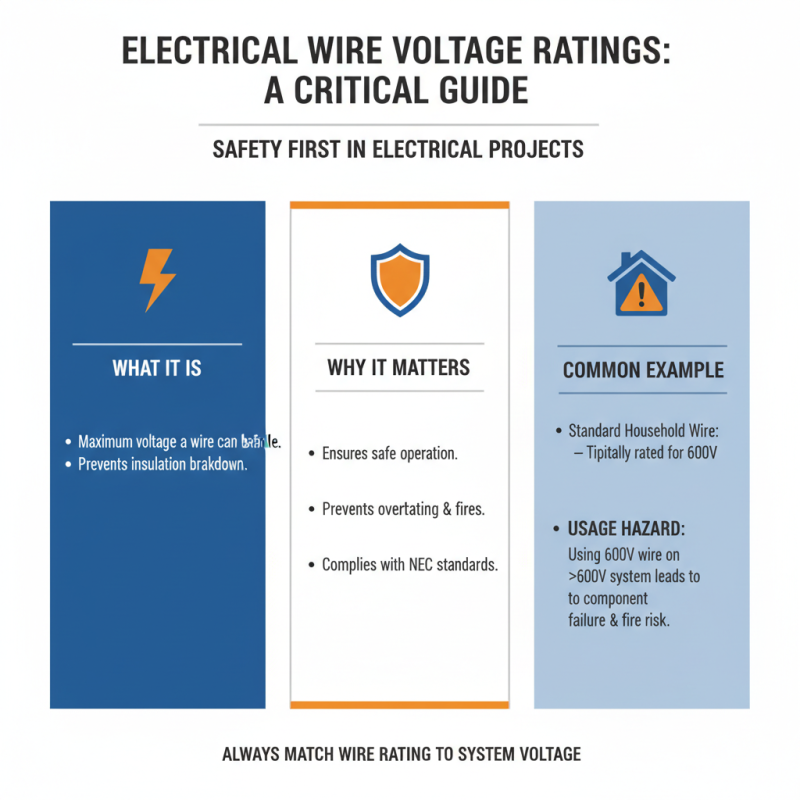
For instance, different wire cables have unique insulation materials. Some resist heat better than others. Each type has specific voltage ratings too. This information is vital during installation. Incorrect choices could lead to serious issues. Think about the potential risks involved, such as shorts or fires.
Moreover, adequate knowledge of wire cables aids in compliance with regulations. Understanding local codes can save time and money. It’s not just about getting the job done; it’s about doing it right. Projects can turn challenging without the right wire cables. It’s important to do thorough research and seek advice when necessary. Reflecting on these factors early can prevent headaches later.
Importance of Wire Types in Electrical Safety and Compliance Standards
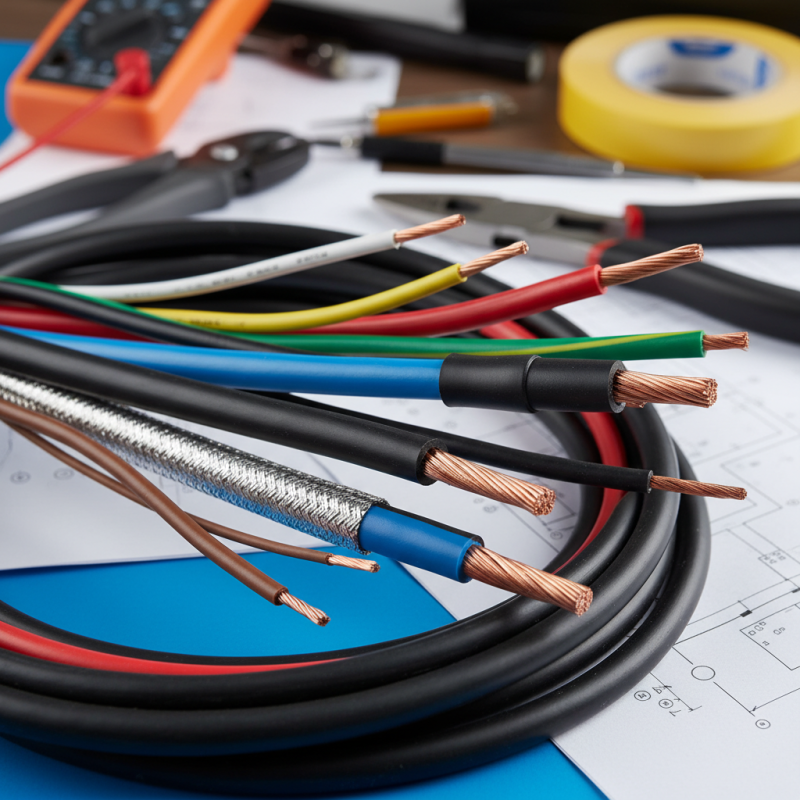
Understanding wire cable types is crucial for electrical safety and compliance. Electrical projects must adhere to strict regulations. Different wire types have unique properties. For instance, copper wiring is favored for its conductivity. Aluminum is lighter but less efficient. According to the National Electrical Code (NEC), wire selection impacts circuit safety dramatically.
Improper wire selection can lead to hazardous incidents. Poor wiring can cause electrical fires. In fact, the U.S. Fire Administration reports that roughly 23,000 electrical fires occur each year. Following standards helps prevent these disasters. Knowledge of wire insulation types, like PVC or rubber, is also vital. The right insulation prevents heat buildup and improves durability.
Tip: Always consult the NEC guidelines or local codes when selecting wire. Conduct thorough research on safety ratings. Avoid assumptions about wire performance. Test the wires under load conditions to ensure they meet your project requirements. Make informed decisions to enhance safety and compliance in your electrical projects.
Understanding Wire Cable Types for Electrical Safety
Key Specifications: Conductivity, Insulation, and Strength in Wire Cables
Understanding wire cable types is crucial for any electrical project. Key specifications like conductivity, insulation, and strength determine a cable's performance and safety.
Conductivity refers to how well a cable transmits electricity. Higher conductivity means less energy loss. Copper cables are often preferred for this reason, but alternatives exist.
Insulation plays a vital role in protecting wirings from environmental factors. It's important to choose insulation materials based on your project needs. Different environments may require different levels of resistance to heat, moisture, or chemicals. Inadequate insulation can lead to malfunctions and hazards.
When working with wire cables, here are some helpful tips:
- Always check the cables’ ratings before use.
- Consider the strength of the wire for load-bearing scenarios.
- Remember, not all projects will suit every type of cable.
- Test setups in smaller sections before full installation. This reduces risks and uncovers potential issues early.
Understanding these specifications can save time and resources in the long run.
Types of Wire Cables: Comparing Copper vs. Aluminum in Electrical Use
When tackling electrical projects, selecting the right wire type is critical. Two common options are copper and aluminum. Each has unique characteristics that can impact performance.
Copper is known for its excellent conductivity. It efficiently transmits electricity, leading to less energy loss. However, it is more expensive. This might limit budget projects. On the other hand, aluminum is lighter and more affordable. Yet, its conductivity is less than copper’s. Aluminum wires can also oxidize, which reduces performance over time.
Choosing between these materials requires careful consideration. Will you prioritize performance or budget? Understanding these factors can prevent issues down the line. Many overlook these details. It’s essential to reflect on what will work best for your specific application.
Selecting the Right Wire Gauge: Avoiding Overheating and Energy Loss
When working on electrical projects, selecting the right wire gauge is crucial. The wire gauge affects the current capacity and potential energy loss. According to the National Electrical Code (NEC), using the appropriate gauge can significantly reduce risks. For example, using a 14-gauge wire instead of a 12-gauge can lead to overheating.
Overheating occurs when the wire cannot handle the electrical load. The NEC states that derating wires, especially in temperature-sensitive environments, is essential. A 12-gauge wire can carry 20 amps, while a 14-gauge wire is limited to 15 amps. Drawing too much current through a thinner wire can result in energy loss. This loss adds unnecessary costs to your projects.
Professional reports indicate that up to 30% of energy is wasted due to poor wiring choices. If you underestimated wire requirements, it can lead to voltage drops and inefficiencies. Remember, proper wire selection can enhance safety and save energy. It's a simple choice that demands attention. You wouldn't want to face a fire hazard because of a wire that couldn't handle the load. This oversight can harm both projects and budgets.
Why Understanding Wire Cable Types is Essential for Your Electrical Projects?
| Wire Type |
Gauge |
Max Current (A) |
Common Uses |
Approximate Resistance (Ohms/m) |
| Copper |
12 AWG |
20 |
Lighting Circuits |
5.211 |
| Copper |
10 AWG |
30 |
Heavy Appliances |
3.277 |
| Aluminum |
8 AWG |
40 |
Outdoor Lighting |
1.195 |
| Copper |
14 AWG |
15 |
Branch Circuits |
8.286 |
| Aluminum |
6 AWG |
55 |
Main Feed Lines |
0.395 |