What are the Types of Electrical Cable Trays and Their Uses?
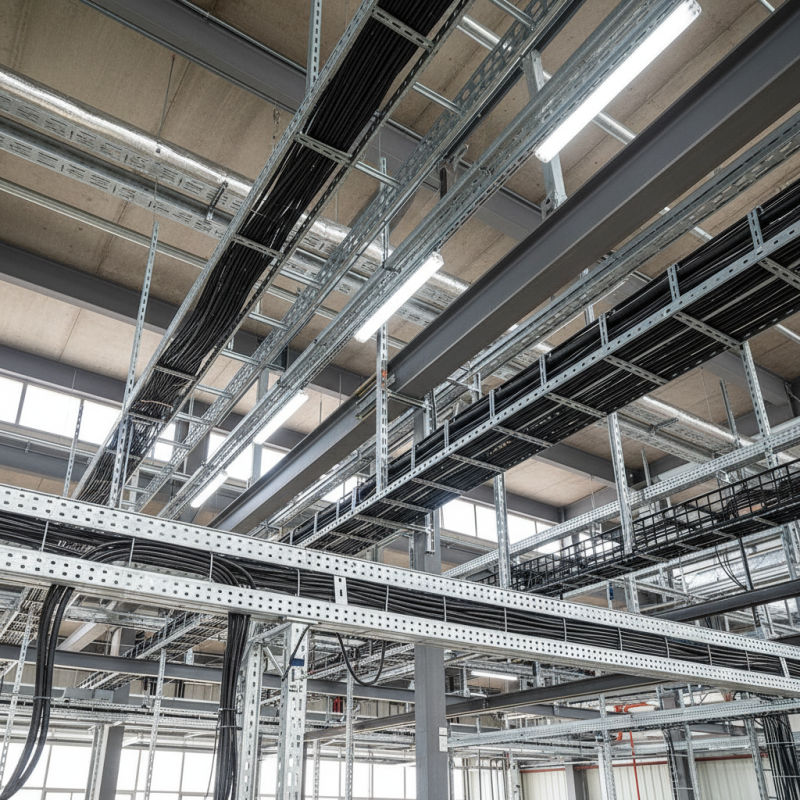
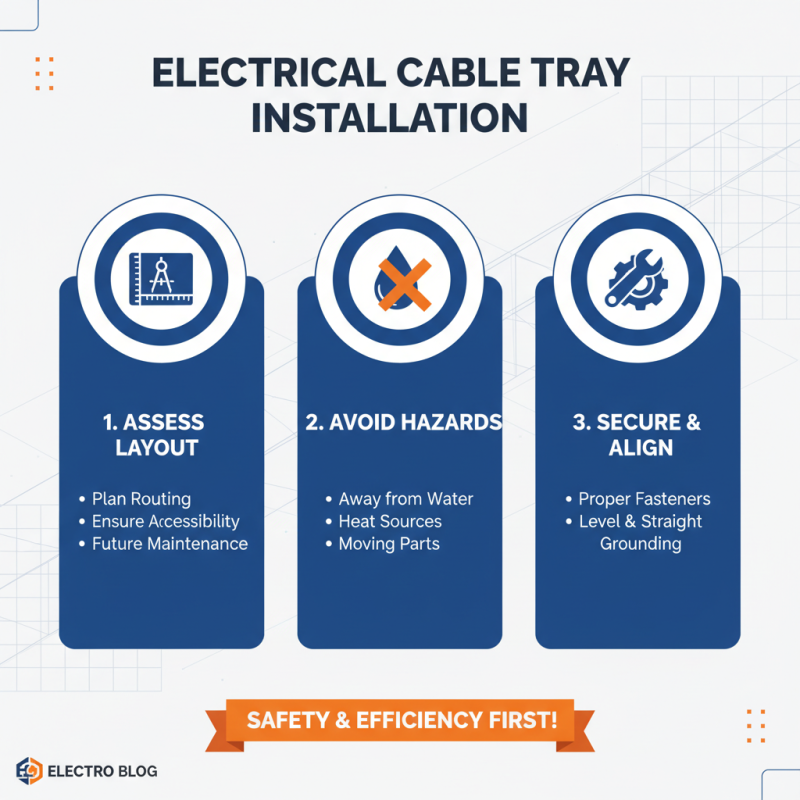
Electrical cable trays are essential components in the installation of electrical systems. These trays provide a systematic way to organize and support electrical cables. They come in various types, each designed for specific applications.
The design and material of the electrical cable tray influence its functionality. For instance, some trays are made of metal, offering durability. Others are plastic, lightweight and resistant to corrosion. Each type has a unique role, and understanding these differences is important for any construction or renovation project.
Selecting the right electrical cable tray can be challenging. It requires careful consideration of factors like cable type and environment. Choosing wrongly can lead to inefficiencies and safety concerns. The goal should be to find the right balance between functionality and cost. The right information can help make better choices in cable management.
Types of Electrical Cable Trays: An Overview
Electrical cable trays are crucial in managing and supporting wires and cables in various settings. They offer a structured approach to organizing these essential components. According to the 2022 Electrical Equipment Report, the global market for cable trays is expected to grow by 5% yearly. This growth indicates an increasing recognition of their importance in commercial and industrial applications.
There are several types of cable trays, including ladder trays, perforated trays, and solid bottom trays. Ladder trays provide excellent ventilation for cables. They are ideal for heavy-duty applications. Perforated trays offer flexibility and allow for easy cable management. Solid bottom trays, while not as commonly used, provide added protection, especially in harsh environments. Each type serves distinct needs, but the choice can often become overwhelming.
Sometimes, the selection of cable trays lacks sufficient reflection on specific project requirements. A wrong choice may lead to cable overheating or challenging maintenance. Precise calculations and thoughtful evaluations are necessary. Getting it wrong can result in higher costs down the line. The goal should be to match the tray type with the application effectively. This ensures safety and efficiency in the long run.
Types of Electrical Cable Trays and Their Uses
Material Considerations for Cable Tray Selection
When selecting a cable tray, material considerations play a crucial role. The common materials used for cable trays include steel, aluminum, and fiberglass. Each has unique properties that make them suitable for different environments.
Steel is durable and strong, making it ideal for heavy-duty applications. Aluminum is lightweight and resistant to corrosion, perfect for areas prone to moisture. Fiberglass offers excellent electrical resistance and is often used in chemical environments.
Consider the installation environment before choosing a material. Steel trays may rust in humid conditions. Aluminum might not handle extreme heat well. Assessing environmental factors is essential for ensuring long-term performance.
Tip: Always check the load capacity and choose a tray that can support the amount of cables you plan to install.
Accessibility is another factor in material selection. Some materials are easier to work with than others. Heavy steel trays can make installation cumbersome. Make sure your team is equipped to handle the material you choose.
Tip: Consult with project managers to evaluate the best installation methods based on material type.
Applications of Different Cable Tray Types in Industries
Cable trays come in various forms, each tailored for specific industrial applications. For instance, ladder trays are frequently utilized in industrial settings where heavy loads of cables are present. Their open design allows for easy air circulation, which helps cool cables. In contrast, solid bottom trays are ideal in environments where moisture is a concern. They prevent debris accumulation and offer added protection to the cables they support.
Perforated trays serve a dual purpose, allowing both structural support and ventilation. This makes them suitable for multiple sectors, including telecommunications and power distribution. However, using improper tray types can lead to issues. For example, heavy cables in perforated trays may sag over time. Additionally, it’s vital to consider the material; galvanized steel may resist rust, but is heavier than aluminum. This could complicate installation and maintenance.
Ultimately, the choice of tray type influences longevity and performance. It’s essential to assess environmental factors when selecting a cable tray. Making informed decisions can help prevent future complications and ensure efficiency in electrical systems.
Maintenance Tips to Ensure Longevity of Cable Trays
Maintaining electrical cable trays is essential for their longevity and safety. Regular inspections can prevent issues before they become major problems. Look for corrosion, dirt accumulation, and any signs of wear. A clean tray is less likely to cause cable damage. Ensure trays are free from obstructions. This simple step can make a big difference.
It's also important to properly secure cables within the trays. Loose wires can lead to tangling and increased wear over time. Consider using cable ties or clamps to keep everything organized. Check securing methods regularly to ensure they remain intact. Sometimes, you may find the need to update or replace these items to improve safety.
Lastly, if your trays are outdoors, weatherproofing should not be overlooked. Sunlight and moisture can deteriorate materials over time. Inspect for UV damage or rust. Regular assistance from a maintenance team can help identify weak spots. Often, we overlook small things, but these can lead to larger issues down the road. Keep a maintenance log to track repairs and inspections. This is an easy way to stay informed.
What are the Types of Electrical Cable Trays and Their Uses? - Maintenance Tips to Ensure Longevity of Cable Trays
| Type of Cable Tray |
Material |
Usage |
Maintenance Tips |
| Ladder Tray |
Steel, Aluminum |
Ideal for heavy cables and multiple conductors |
Regular inspections for corrosion and loose connections |
| Solid Bottom Tray |
Steel, Fiberglass |
Used for sensitive cables requiring extra protection |
Check for water accumulation and clean regularly |
| Wire Mesh Tray |
Steel |
Good for ventilation and lightweight installations |
Inspect for debris and ensure secure fastening |
| Trench Tray |
Concrete, Steel |
Used for outdoor and underground applications |
Ensure drainage systems are clear and maintained |
| Cable Bus |
Aluminum, Copper |
For high voltage applications and power distribution |
Perform thermal imaging and electrical testing regularly |