
Blog

You are here:

Top LVL Scaffolding Plank Manufacturers in China?

Choosing the top LVL Scaffolding Plank manufacturers in China requires more than comparing prices or polished websites. A reliable supplier must demonstrate consistent production, material traceability, and practical understanding of scaffold work. LVL Scaffolding Plank products should support demanding sites, where moisture, repeated handling, and uneven loading can expose weak manufacturing quickly.

This guide introduces manufacturers that deserve closer evaluation through measurable criteria. These include veneer quality, adhesive performance, plank dimensions, load testing, surface finishing, and factory quality controls. We also consider export experience, technical documentation, packaging methods, and communication after delivery. A serious manufacturer should provide clear test reports, batch information, and realistic product limits. Claims without evidence deserve caution.

Real project experience matters. A plank may look straight in a warehouse yet perform differently after transport or exposure to changing weather. Buyers should ask about bending resistance, moisture content, edge protection, and inspection frequency. Small details matter. A damaged corner can affect confidence during installation.

No ranking is flawless. Supplier capacity, certifications, and production conditions can change over time. Some manufacturers may present strong samples but offer less consistent bulk orders. That possibility should not be ignored. Independent verification remains valuable, especially for large purchases or unfamiliar factories. This overview is designed to support a careful shortlist, not replace engineering judgment, local safety requirements, or documented site procedures. By combining technical evidence with practical observations, buyers can make a more informed decision when selecting a Chinese LVL Scaffolding Plank manufacturer.
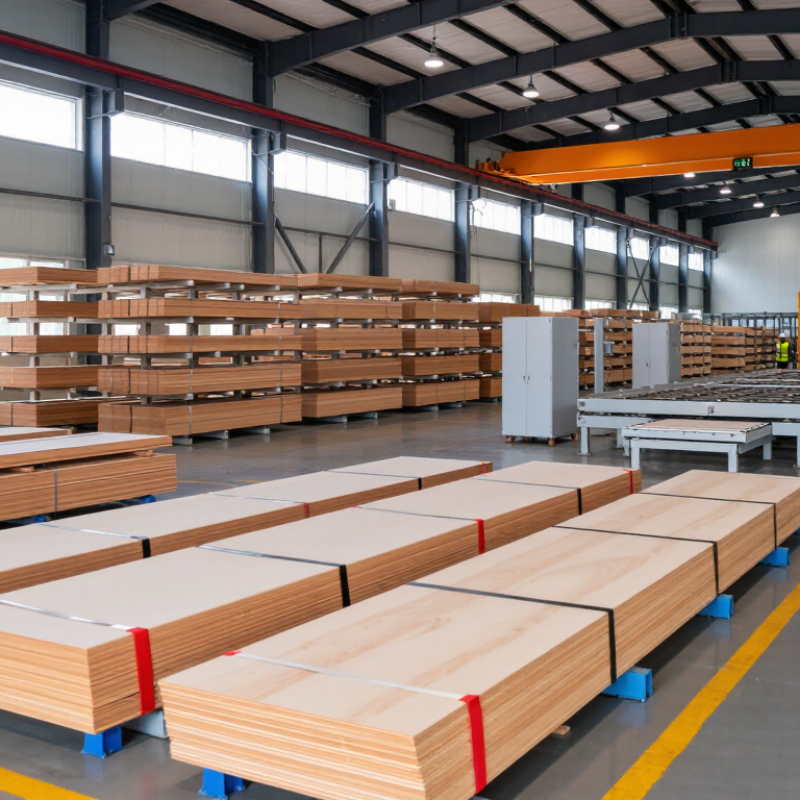
Top LVL Scaffolding Plank Manufacturers in China?

What Is LVL Scaffolding Plank and Why Does It Matter?

LVL scaffolding plank is an engineered wood product made from thin veneers. The veneers are aligned and bonded under controlled heat and pressure. This structure creates a straight, stable plank with predictable strength. Unlike ordinary solid timber, LVL usually has fewer natural weak points. That matters when workers, tools, and materials rest above the ground.

A reliable plank must resist bending, splitting, moisture changes, and repeated handling. Its thickness, span, load rating, surface condition, and end protection all require careful checking. Experienced manufacturers use documented production controls and test samples from different batches. However, a certificate alone is not enough. I have seen specifications look impressive while the actual plank edges showed rough cuts or small delamination. That assumption is tempting, but incomplete.

Tips: Check the manufacturer’s test reports, veneer quality, dimensions, and stated load capacity. Measure the working span, inspect every delivery, and remove damaged planks immediately. Store LVL flat, covered, and away from standing water. Do not confuse a heavier plank with a safer design. Consult a qualified scaffold engineer for site-specific loading and support conditions. Manufacturers serving demanding projects should provide traceable quality records, clear packaging labels, and practical guidance for handling. Consistency matters more than impressive claims.

Top LVL Scaffolding Plank Manufacturers in China? — What Is LVL Scaffolding Plank and Why Does It Matter?

LVL scaffolding planks are engineered wood products made by bonding thin wood veneers with aligned grain. The following chart shows commonly specified nominal thickness options for LVL scaffold planks used in temporary access and working-platform applications.

Thickness selection depends on span, design load, support spacing, moisture exposure, and the applicable scaffold or structural standard. Actual dimensions and allowable loads should always be confirmed from the product specification and engineering calculations.

Key Criteria for Evaluating Chinese LVL Scaffolding Plank Manufacturers

Selecting a top Chinese LVL scaffolding plank manufacturer requires more than comparing prices. Start with raw-material control. Ask whether the supplier records veneer species, thickness, moisture content, and adhesive batch numbers. FAO’s latest global forest-products statistics report annual wood-based panel production above 350 million cubic metres. Large output does not automatically prove consistent quality.

Request performance evidence against recognized standards, such as EN 14374 or ASTM D5456. Check bending strength, stiffness, shear resistance, density, and dimensional tolerance. Each test report should identify the production batch, specimen size, conditioning method, and testing laboratory. An ISO/IEC 17025-accredited laboratory adds credibility. Still, paperwork can hide weak sampling.

Factory experience matters. Inspect veneer peeling, drying, glue spreading, pressing pressure, edge sealing, and final sanding. A practical check is simple: measure several planks from different bundles, then inspect warping, splits, crushed edges, and surface voids. Ask for moisture readings before shipment. Also confirm load-span tables, packaging protection, traceability labels, and a written replacement process.

Be careful with impressive certificates. Some documents may cover plywood, not LVL scaffolding planks. That distinction matters. Independent pre-shipment inspection is worthwhile, although it adds cost and may slow delivery. A supplier that explains failed tests honestly can be more reliable than one promising perfect results. Safety decisions should rely on verified test data, documented production controls, and site-specific engineering review.

Top LVL Scaffolding Plank Manufacturers in China? - Key Criteria for Evaluating Chinese LVL Scaffolding Plank Manufacturers

Evaluation Dimension Practical Benchmark for LVL Scaffolding Planks Typical Data to Request Verification Method Risk Level
Product Construction Structural laminated veneer lumber manufactured from rotary-cut veneers with controlled grain orientation and bonded lay-up. Veneer thickness, number of plies, grain orientation, face/back veneer condition, and edge profile. Review production specifications, cross-section drawings, and random production samples. Medium
Common Plank Dimensions Common supply ranges include approximately 38–75 mm thickness, 225–300 mm width, and 1,800–4,000 mm length; project dimensions should be confirmed before production. Nominal and actual thickness, width, length, squareness, and dimensional tolerances. Measure samples with calibrated steel rules, calipers, and moisture-conditioned inspection procedures. Medium
Structural Performance Load capacity must be established for the specified span, support condition, plank orientation, and safety factor rather than inferred from appearance. Bending strength, modulus of elasticity, shear strength, allowable load, span table, and deflection limits. Request independent laboratory reports and confirm the test method, specimen dimensions, moisture condition, and failure mode. High
Applicable Standards The product documentation should identify the exact market standard, such as EN 12811-1 for temporary works performance or AS 1577 where Australian scaffold-plank requirements apply. Standard number, edition, product scope, test laboratory, certificate validity, and declared performance. Check certificates directly with the issuing laboratory or certification body and ensure the product scope matches the plank. High
Bonding Adhesive Adhesive selection should be suitable for structural use and the intended service environment, with documented resistance to moisture and delamination. Adhesive type, bond-line specification, formaldehyde or emissions classification, and durability test results. Review adhesive technical data sheets, batch records, and boil-soak or cyclic-delamination test results where applicable. High
Moisture Content A controlled shipment target is commonly around 8–16%, subject to the applicable standard, climate, and end-use conditions. Average moisture content, permitted range, measurement location, and conditioning procedure. Use a calibrated moisture meter for screening and oven-dry testing for periodic laboratory confirmation. Medium
Surface and Edge Quality Surfaces should be generally flat and free from open delamination, major splits, loose knots, severe edge damage, and unsafe protrusions. Visual defect limits, edge-rounding or chamfer details, repair policy, and rejection criteria. Perform a 100% visual inspection of production lots and record defects with photographs and inspection checklists. Medium
Slip Resistance The walking surface should provide stable footing in the specified service environment; coatings or textures must not reduce structural integrity. Surface treatment, wet and dry slip test results, coating compatibility, and cleaning requirements. Request test data relevant to the destination market and inspect wet-surface samples before approval. High
Weather and Decay Resistance Exterior exposure requires suitable preservative treatment, coating, end sealing, storage controls, and documented service limitations. Treatment type, penetration or retention data, exposure class, UV and water-resistance information, and maintenance guidance. Review treatment records and conduct wet-dry cycling or weathering tests appropriate to the intended market. High
Traceability and Quality Control Each shipment should be traceable to raw-material batches, adhesive batches, production dates, inspection results, and packing units. Lot number, production date, inspection report, calibration records, nonconformity procedure, and retention period. Audit sample records and compare carton, bundle, product stamp, and inspection-document information. Medium
Factory Testing Capability A capable facility should have routine equipment for moisture, dimensions, bonding quality, density, and production-process checks. Equipment list, calibration certificates, testing frequency, sampling plan, and internal acceptance criteria. Conduct a remote or on-site factory audit and review recent internal test records. Medium
Packaging and Export Readiness Bundles should be protected against water, impact, distortion, and abrasion during storage and international transport. Bundle quantity, blocking and strapping method, moisture barrier, corner protection, marks, and container-loading plan. Approve packaging samples and inspect loading photographs or a third-party loading report. Medium
Documentation and Technical Support The supplier should provide clear installation, handling, storage, inspection, load-use, and disposal instructions in English. Technical datasheet, installation guide, safety data, inspection form, warranty terms, and response time for technical queries. Evaluate document completeness and request written answers to project-specific engineering questions. Medium
Pre-Shipment Inspection A documented inspection should confirm dimensions, appearance, quantity, moisture, packaging, markings, and agreed test results before dispatch. Inspection checklist, sampling level, acceptance criteria, photographs, test reports, and corrective-action records. Use an independent inspection agency or an approved buyer inspection protocol. High

Note: The benchmarks above are procurement and supplier-evaluation guidelines, not a substitute for project-specific structural design. Final allowable loads and compliance requirements should be confirmed against the regulations and standards applicable in the destination market.

Top LVL Scaffolding Plank Manufacturers in China

Top LVL Scaffolding Plank Manufacturers in China

China has many LVL scaffolding plank manufacturers, but capacity alone does not prove reliability. Experienced buyers examine veneer quality, adhesive performance, moisture control, and production consistency. A dependable manufacturer should provide clear product specifications, load data, and traceable batch records. Factory visits can reveal more than polished brochures. Look for organized veneer storage, calibrated presses, and finished planks protected from rain.

Strong manufacturers usually control each production stage. They inspect veneer thickness before assembly and monitor pressing temperature and time. They also test bending strength, stiffness, dimensions, and surface defects. Ask whether testing occurs internally or through an independent laboratory. This distinction matters. Some suppliers present attractive samples but struggle with repeated orders. That weakness deserves attention, even when the price seems excellent.

Tips: Request a recent inspection report and a sample plank before signing a contract. Measure thickness, length, edge straightness, and visible repairs. Ask how the planks are packed for long-distance transport. Moisture-resistant wrapping and stable pallets can prevent warping. Confirm the intended scaffold system and working load with a qualified engineer. Do not rely on product names alone. A small trial order may expose defects earlier. It may also slow purchasing, but that delay can protect worker safety and reduce replacement costs.

Manufacturing Standards, Quality Control, and Safety Certifications

Top LVL Scaffolding Plank Manufacturers in China: Manufacturing Standards, Quality Control, and Safety Certifications

Reliable LVL scaffolding plank manufacturers begin with controlled raw materials. They verify veneer thickness, moisture content, wood species, and adhesive performance before pressing. EN 14374 provides a reference for laminated veneer lumber structural properties. For scaffold use, buyers should also review AS/NZS 1577 requirements and project-specific load classifications. These details matter more than a polished factory showroom.

Quality control must continue after pressing. Technicians should check plank thickness, straightness, edge damage, delamination, and surface defects. Each production batch needs bending tests and documented load results. A useful benchmark comes from OSHA 1926.451, which requires scaffold platforms to support their own weight plus four times the maximum intended load. That is a demanding safety margin.

Traceability is essential. Each plank should carry a batch code linked to veneer records, adhesive records, test results, and final inspection data. Independent laboratories operating under ISO/IEC 17025 can strengthen confidence in reported performance. NIOSH has reported that about 2.3 million construction workers use scaffolds, with approximately 4,500 injuries and 50 deaths annually. The figures are older, but the warning remains relevant.

Certificates can mislead.

A factory may pass one audit and still miss moisture-related defects during long-term storage. Buyers should request recent test reports, factory inspection records, and evidence of corrective actions. In practice, stable process control is often more valuable than a single impressive certificate.

How to Choose the Right Chinese LVL Scaffolding Plank Supplier

Choosing the Right Chinese LVL Scaffolding Plank Supplier

Selecting a Chinese LVL scaffolding plank supplier requires more than comparing prices. Examine the factory’s production experience, material controls, and testing procedures. Ask which wood species, adhesive grades, and pressing methods are used. Reliable suppliers should explain their processes clearly. Vague answers deserve caution.

Request recent test reports for bending strength, stiffness, moisture content, and dimensional accuracy. Confirm that the tested product matches your requested thickness and length. Inspect samples for straight edges, tight veneers, smooth surfaces, and visible gaps. Measure them yourself. Small variations can affect plank stability on site.

A factory audit can reveal practical details. Check veneer storage, press maintenance, finished-goods protection, and batch labeling. Ask for photos or records showing how each shipment is traced. Export experience also matters, especially for moisture-resistant packaging and consistent documentation. Do not rely only on certificates. Verify issuing laboratories and testing dates. No audit predicts every shipment. A sample can flatter a factory. Therefore, place a controlled trial order before signing a large contract. Record defects, delivery delays, and communication problems. My own preference is a supplier that admits limitations and corrects them quickly. Cheap quotes often hide weaker inspection or unstable raw materials. Evaluate total risk, not only the unit price.

Go to Top