Top 10 Aluminum Casement Window Manufacturers Worldwide
Choosing among the Top 10 Aluminum Casement Window Manufacturers Worldwide requires more than comparing glossy brochures. A serious review must examine thermal performance, air leakage, water resistance, hardware durability, certifications, warranty terms, and installation support. These details become visible on site: a sash should close smoothly, seals should remain even, and drainage paths should clear rain without staining the sill.
Dean Ruark, P.E., a respected fenestration engineer associated with the American window industry, has emphasized a practical truth: “Performance begins with the opening, but installation decides the result.” That principle guides this overview. Even a well-designed Aluminum Casement Window can underperform when the frame is poorly shimmed, the flashing is incomplete, or the surrounding wall moves.
The manufacturers discussed here serve different climates, building types, and project budgets. Some focus on slim architectural profiles. Others prioritize insulated frames, impact resistance, or large-scale commercial systems. Their technologies are not interchangeable. A product suited to a dry coastal apartment may not perform equally in a cold, wind-driven-rain region.
The ranking should therefore be read as a researched comparison, not an absolute verdict. Market leadership changes. Testing standards evolve. Local installers still matter more than many buyers expect. That is an inconvenient detail, but an important one. By examining product engineering, manufacturing reach, documented performance, and customer support, this guide helps architects, contractors, and homeowners make a more defensible choice.
What Are Aluminum Casement Windows?
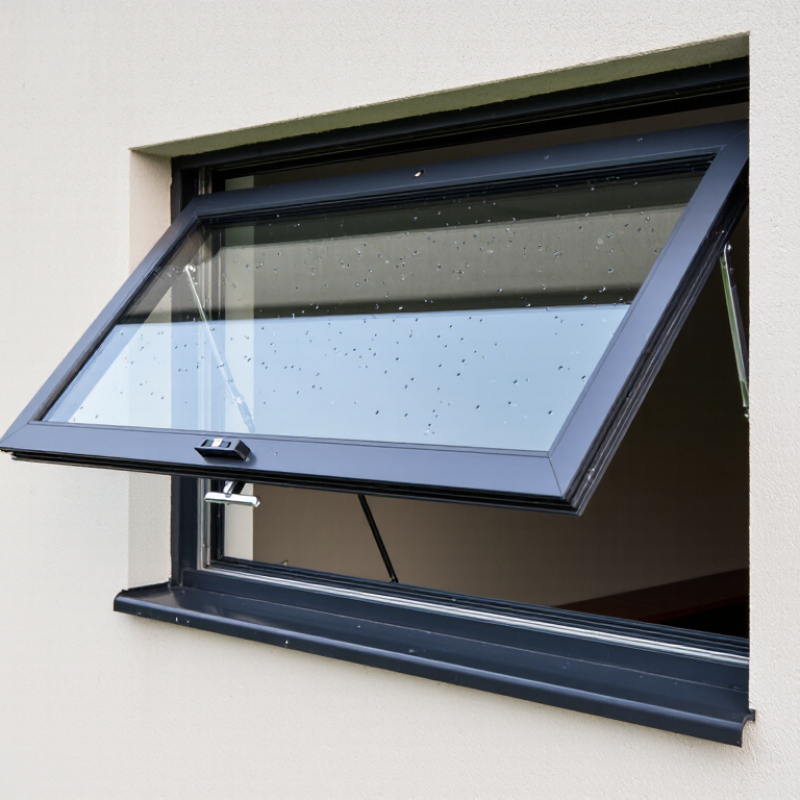
Aluminum casement windows are side-hinged windows that open outward from one edge. A handle or crank controls the sash. When closed, the sash presses against a continuous weather seal. This design can provide strong ventilation and a tighter closure than many sliding windows. It also creates a clear opening, useful above kitchen counters or beside narrow balconies.
Aluminum offers a slim frame and useful structural strength. However, unbroken aluminum transfers heat quickly. A thermal break separates the inner and outer frame sections, reducing heat flow. Low-emissivity glass and insulated glazing can improve performance further.
The International Energy Agency’s 2023 Global Status Report for Buildings and Construction states that buildings consume about 30% of global final energy. Window specification deserves attention. Still, window results depend on glass, frame design, installation, and local climate. No product performs perfectly in every building.
Tips: Check the thermal-break design, air-leakage rating, water resistance, and hardware cycle testing. Ask for certified performance documents, not only marketing claims. Confirm the opening direction before ordering. A small measurement error can create expensive installation problems. I would also inspect the seal corners carefully; they are easy to overlook.
How the Top Manufacturers Are Selected
Top 10 Aluminum Casement Window Manufacturers Worldwide
How the Top Manufacturers Are Selected
The selection begins with verifiable performance, not advertising claims. We review factory experience, product testing, certification records, and installation feedback from completed projects. Independent laboratories should confirm air leakage, water penetration, wind resistance, and thermal performance. Results must be traceable to specific window systems, not vague product ranges.
Energy performance carries serious weight. The International Energy Agency’s 2024 Global Status Report for Buildings and Construction states that buildings used about 30% of global final energy in 2022. Therefore, we examine frame design, thermal breaks, glazing options, and spacer quality. A narrow aluminum frame can look elegant, yet poor insulation may create cold interior edges and condensation. Small details matter.
Manufacturing consistency is another filter. We compare profile tolerances, coating thickness, hardware durability, drainage design, and quality-control procedures. ISO 9001 certification supports process control, but it does not prove excellent window performance. That distinction is often missed. We also study warranty terms, replacement-part availability, delivery records, and installer training across regions. A 2023 report from the U.S. Department of Energy highlights the importance of whole-window performance, rather than glass performance alone. Our scoring remains imperfect because climate, building orientation, and workmanship can change real results. That uncertainty deserves honest attention.
Top 10 Aluminum Casement Window Manufacturers Worldwide
Top 10 Aluminum Casement Window Manufacturers Worldwide
The top 10 aluminum casement window manufacturers worldwide should be judged by measurable performance, not advertising language. Experienced buyers examine alloy quality, thermal breaks, glazing options, and hardware durability. A well-made frame should open smoothly after repeated use. It should also resist coastal moisture, strong wind, and daily temperature changes. Reliable manufacturers provide tested air, water, and structural performance data. They also explain installation limits clearly. Regional certifications matter, because building standards differ between markets. A global ranking is useful, but never perfectly objective.
Professional evaluation should include factory experience, production consistency, warranty terms, and technical support. Look for 6063-grade aluminum, accurate corner joints, and powder coatings with stable color retention. Inspectors may also review sample profiles, drainage channels, locking points, and gasket compression. These small details affect comfort and maintenance. Some manufacturers offer impressive specifications, yet their after-sales response remains uncertain. That weakness deserves honest attention. A strong supplier shares test reports, installation drawings, and replacement-part information before purchase.
Tips: Request a physical sample before approving a large order. Test the handle, seals, and frame alignment by hand. Compare thermal performance using the same glass type. Ask how the coating performs in humid or salty environments. Check delivery records and independent project references. Do not choose from price alone. A cheaper window may require earlier hardware replacement, although this is not always true.
Key Features and Technologies to Compare
Top 10 Aluminum Casement Window Manufacturers Worldwide: Key Features and Technologies to Compare
Choosing among leading aluminum casement window manufacturers requires more than comparing frame prices. Look beyond frame color. The thermal-break design should separate interior and exterior aluminum with low-conductivity polyamide materials. This reduces heat transfer and limits interior condensation. The U.S. Department of Energy reports that windows can represent 25–30% of household heating and cooling energy use. Therefore, certified U-factor and solar heat gain coefficient values deserve careful attention.
Glazing is equally important. Low-emissivity coatings, double or triple glazing, argon filling, and warm-edge spacers can improve insulation. However, published center-of-glass values may not represent the complete window. Ask for whole-unit NFRC or equivalent laboratory results. Compare air leakage, water resistance, wind-load performance, and visible transmittance under recognized standards. A narrow frame may look elegant, yet poor seals can undermine its performance. Air leakage matters.
Hardware and installation details also separate dependable systems from attractive samples. Multi-point locking, corrosion-resistant hinges, adjustable friction stays, and concealed drainage support long-term operation. UNEP’s 2022 Global Status Report found that buildings consumed 34% of global energy demand and produced 37% of energy- and process-related carbon emissions. This makes lifecycle performance more relevant than marketing claims. Field experience suggests that installation errors remain common, especially around sill flashing and perimeter sealing. I would still question any comparison using only laboratory figures; real walls, weather, and maintenance can change results.
How to Choose the Right Manufacturer for Your Project
Choosing an aluminum casement window manufacturer starts with your project’s actual conditions. Check frame depth, glass thickness, thermal targets, and opening sizes before requesting prices. A coastal home needs stronger corrosion resistance than an inland office. Ask how the manufacturer tests air leakage, water penetration, wind pressure, and repeated hardware cycles.
Request technical drawings, performance reports, material specifications, and sample sections. Reliable manufacturers should explain alloy grades, coating systems, thermal breaks, seals, and drainage paths clearly. Their engineers should also review your wall structure and installation details.
A low price can hide weak gaskets, limited adjustment, or expensive site corrections. Look for stable production records, traceable quality checks, and realistic delivery schedules.
Visit a factory or request production photographs when possible. Observe storage areas, corner assembly, coating protection, and final inspection procedures. I have seen attractive samples fail because the factory changed hardware without approval. That mistake was avoidable. Ask who controls revisions and how defects are handled after delivery. Independent certifications can support your evaluation, but they should match the exact window series, not a similar product. Also compare warranty terms, replacement-part access, packaging quality, and technical support in your region. Do not rely on polished brochures alone. A short technical meeting often reveals more than a long sales presentation.