
Blog

You are here:

7 Tips for Buying Red Light Treatment Face Devices?

Choosing a Red Light Treatment Face device can feel simple until product pages start promising brighter, smoother-looking skin. Prices vary widely, and impressive photos do not explain how a device performs. A careful purchase starts with practical questions, not dramatic claims. What wavelengths does it use? How long is each session? Does the mask fit comfortably around your nose and cheeks? Small details matter. A device that sits unevenly may be difficult to use consistently.

This guide introduces seven checks to make before buying, including light specifications, eye protection, comfort, cleaning, and warranty terms. Look for clear manufacturer information rather than vague phrases like “professional strength.” Check whether the instructions explain treatment time, distance, and any precautions. These details help you compare products more fairly, though they cannot guarantee a particular result. Not always. Skin responses differ, and visible changes may take time. Red light devices should not replace advice from a qualified healthcare professional, especially if you have a skin condition, take medication that increases light sensitivity, or are unsure whether treatment is suitable for you. It is also worth checking current safety and regulatory information for your location; standards and product classifications can differ. No device is perfect. I would treat bold claims cautiously, read the fine print, and choose a product with transparent guidance and a realistic return policy. That makes the decision less about hype and more about fit, safety, and everyday use.
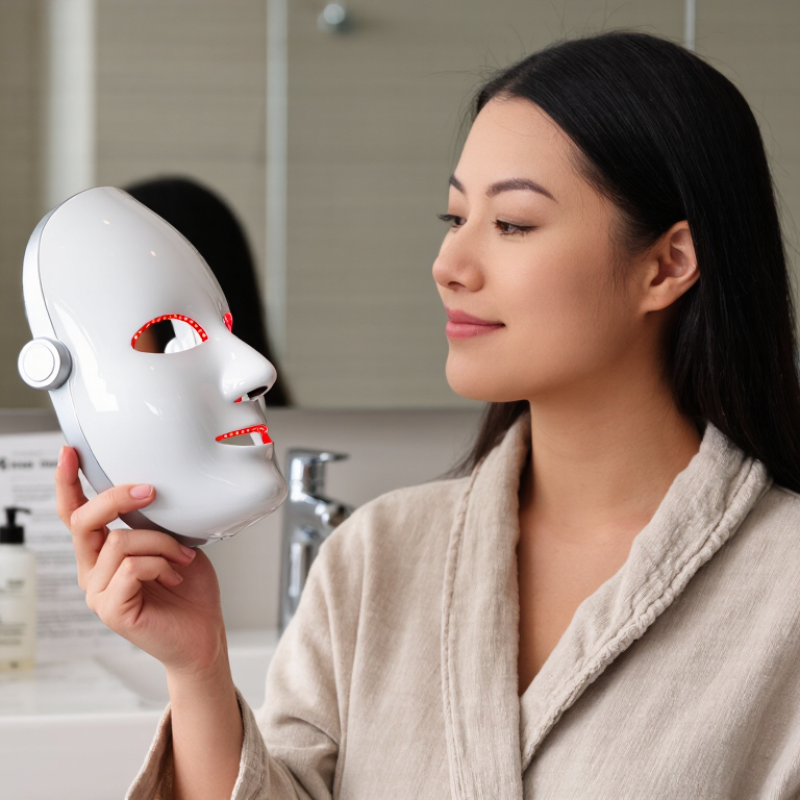
7 Tips for Buying Red Light Treatment Face Devices?

Understanding How Red Light Face Devices Work

Red-light face devices deliver low-level light, usually within the visible red range, to skin tissue. Researchers study photobiomodulation: light may interact with cellular structures, including mitochondria, and influence energy signaling and inflammation. The exact pathways are still being investigated. Results depend on wavelength, power, treatment time, and how closely a device is used as directed. Not magic.

A 2014 randomized, placebo-controlled study in Photomedicine and Laser Surgery included 136 volunteers receiving red or near-infrared LED treatments. Researchers reported improvements in skin texture and elasticity, but one trial cannot predict every user’s results. Red light is not ultraviolet light, and benefits should not be assumed from a device’s color alone. Dose matters.

Tips: Check the listed wavelength and treatment instructions. Look for independent clinical evidence, not just testimonials. Use the device on clean, dry skin. Keep it at the stated distance. Follow the recommended session length; longer use is not automatically better. Protect your eyes as the manufacturer directs. Stop if irritation develops, and ask a qualified clinician about persistent skin concerns. Small steps.

Checking Wavelengths, Light Output, and Treatment Coverage

For a red light treatment face device, check the actual wavelength range, not just “red light” on the package. Red wavelengths around 630–660 nm and near-infrared around 810–850 nm are commonly studied for skin applications, but more wavelengths do not automatically mean better results. A 2014 controlled study in Photomedicine and Laser Surgery included 136 participants and reported improvements in skin texture and wrinkle measures after red and near-infrared light treatments. One study cannot predict every user’s results.

Tip: Ask for irradiance measured at the treatment distance, in mW/cm². Electrical wattage is not the same as light reaching your skin. Irradiance and treatment time together determine the delivered energy, often expressed in J/cm². I’d want clear testing details before trusting a large number on a sales page. Small details matter.

Check treatment coverage in a mirror. A rigid panel may miss the sides of the nose or jaw, while an ill-fitting mask can leave uneven gaps. Look for stated coverage, recommended distance, session length, and eye-safety guidance. Fit matters. If these details are vague, that is a reason to pause—not proof the device is ineffective, but a real limitation when comparing options.

Assessing Safety Features and User Suitability

A red-light face device should fit your skin, eyes, and routine—not just promise brighter results. Check its wavelength, session length, and irradiance disclosure, plus clear instructions for eye protection. The IEC 62471 photobiological-safety standard assesses potential light hazards; look for documented testing against it, not vague claims like “clinically safe.” A 2014 controlled study by Wunsch and Matuschka enrolled 136 volunteers and used 30 sessions over 15 weeks. That trial’s schedule is study-specific, not a universal home-use dose.

Tip: Start with the shortest recommended session. Keep the device at its stated distance, and stop if you feel persistent heat, pain, or irritation. Red light should not feel like a hot lamp against your cheeks. Clean the treatment surface as directed, and never improvise by adding extra sessions.

Tip: Suitability matters. Ask a clinician before use if you take medicines that increase light sensitivity, have a light-sensitive condition, or have an eye disorder. Check whether the device provides suitable eye protection, especially if its instructions require it. If you have melasma, active skin disease, or recently treated skin, get individualized advice before exposing your face. Study results vary by device and protocol; the 136-person trial does not establish safety for every user or every device. That distinction is easy to miss.

7 Tips for Buying Red Light Treatment Face Devices? — Assessing Safety Features and User Suitability
Tip What to Check Why It Matters Practical Buying Guidance
1 Regulatory status and intended use Regulatory clearance, authorization, or registration depends on the country and the device’s intended use. These terms are not interchangeable, and a regulatory listing does not guarantee a particular result. Check the relevant regulator’s information and confirm that the device’s stated intended use matches your needs. Be cautious of claims to diagnose, cure, or treat conditions without appropriate authorization.
2 Eye protection and light exposure instructions Bright LEDs can cause discomfort, and looking directly at light sources may pose eye risks. Safe use depends on the device design, exposure, and directions. Choose a device with clear instructions about eye protection, positioning, session duration, and who should avoid use. Follow those instructions; do not stare into the LEDs.
3 Wavelength and output information Devices may use different wavelengths and light outputs. The numbers alone do not establish safety or effectiveness, and results can vary with the device and its use. Look for transparent specifications and an explanation of the intended use. Treat vague claims such as “medical strength” as insufficient evidence on their own.
4 Session time, distance, and built-in controls Exposure depends on factors including output, distance, and duration. Timers and clear positioning guidance can help users follow the intended routine. Prefer clear, consistent directions and a practical timer or automatic shutoff. Do not increase session length or frequency beyond the instructions to try to speed up results.
5 Personal sensitivity, medications, and health conditions Some medicines and health conditions can increase sensitivity to light. A face device may not be suitable for every user or every skin concern. Review the device warnings and ask a healthcare professional before use if you have a light-sensitive condition, take photosensitizing medication, have an eye condition, or are unsure whether it is appropriate for you.
6 Fit, materials, and skin contact A poorly fitting device can sit unevenly or cause pressure and irritation. Materials and cleaning requirements matter for a product used close to the face. Check sizing, weight, contact surfaces, and cleaning instructions. Stop using the device if it causes persistent irritation, pain, or an unexpected skin reaction.
7 Evidence, support, and realistic expectations Research findings depend on the condition studied and the exact device and protocol. Benefits are not guaranteed, and a home device is not a substitute for medical assessment. Look for evidence relevant to the device’s stated use, plus accessible instructions, warranty terms, and customer support. Consult a qualified professional about persistent or worsening skin concerns.

Comparing Device Types, Comfort, and Ease of Use

Red-light face devices usually come as wearable masks, handheld tools, or tabletop panels. Masks cover much of the face and leave your hands free, but fit matters. Check whether the eye openings sit comfortably and whether straps tug at your hair. A hard edge can feel irritating after several minutes. Small details matter.

Panels keep the device away from your skin and can suit people who dislike wearing a mask. They need a stable surface and a consistent sitting position, though. Handheld devices are easier to store and target smaller areas, but you must hold them at the recommended distance and move them evenly. That can feel tedious. A timer or clear distance guide may help.

Before choosing, consider how the device fits into your actual routine, not an ideal one. Look for readable instructions, adjustable settings, and cleaning guidance. Review the stated treatment time and eye-safety advice; do not assume brighter or longer sessions are better. Results can vary, and marketing language is not a substitute for reliable evidence. If you have a skin or eye condition, take medication that increases light sensitivity, or are unsure whether light treatment is suitable, ask a qualified clinician. A device that feels comfortable and is simple to use may be easier to use consistently, but comfort alone does not prove it works.

Evaluating Evidence, Warranty, and Overall Value

Claims about smoother skin deserve careful checking before price becomes the main attraction. Look for human studies on red or near-infrared light, not only laboratory results or testimonials. Check whether the research used similar wavelengths, treatment distance, session length, and frequency. If those details are missing, the evidence may not transfer well to a home device. That matters. Clear output measurements and eye-safety guidance make a listing more useful, though they do not prove results. I find comparisons messy when sellers report power differently, so avoid treating one number as a guarantee.

Read the warranty before buying. Check its length, what it excludes, and whether you must pay for return shipping. A short return window can be frustrating if you need time to assess comfort and fit. Add replacement parts and delivery costs to the purchase price; a low upfront cost may not stay low. Look for sturdy hinges, an even light panel, and instructions that specify session timing. If you have a skin condition, eye concerns, or use light-sensitive medication, ask a qualified health professional before use. Even careful research leaves some uncertainty, and that deserves a place in the decision.

Go to Top