Why is Proper Hydraulic Cylinder Installation Crucial for Efficiency?
Proper Hydraulic Cylinder Installation is vital for maximizing machinery efficiency. According to John Smith, a leading expert in hydraulic systems, “The success of any hydraulic operation starts with the installation.” His insight emphasizes that even a minor error can lead to performance issues.
Hydraulic cylinders serve as the backbone of many industrial applications. When installed correctly, they ensure optimal functionality and longevity. An improper installation can create excessive wear, leading to costly repairs and downtime. It’s crucial to follow precise guidelines during the installation process to avoid these pitfalls.
Attention to detail is essential. Regular training and adherence to best practices can prevent mistakes. Evaluations should focus on alignment, mounting, and environmental factors. Regardless of experience, there’s always room for improvement in hydraulic cylinder installation. Developing a habit of meticulous checks can enhance performance significantly.
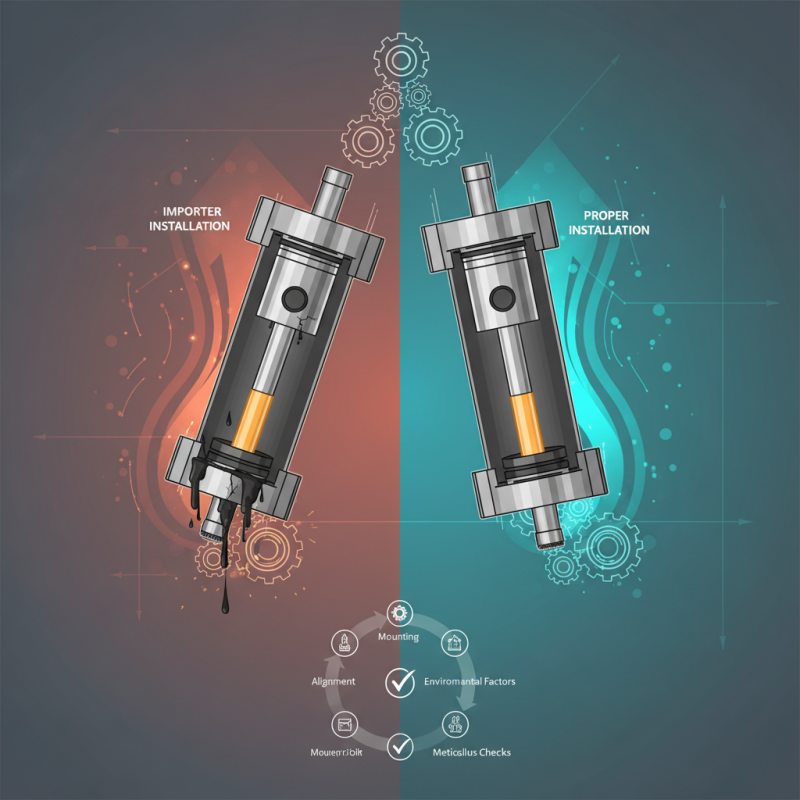
Importance of Hydraulic Cylinder Alignment for Optimal Performance
Proper hydraulic cylinder alignment is crucial for maintaining optimal performance in various machinery applications. Misalignment can lead to excessive wear on components, resulting in costly repairs and downtime. When the cylinder is not correctly aligned, it can create uneven loads. This may cause hydraulic fluid leakage and reduced efficiency in operation.
Achieving precise alignment requires careful attention to detail. Installation teams must check for straightness and levelness. A small error can snowball into larger issues. Regular inspections and adjustments are vital for long-term performance. Relying solely on initial installation can be misleading. Over time, components may shift or wear down, leading to misalignment.
Being aware of the signs of misalignment is essential. Uneven wear patterns or unusual noises can indicate problems. Operators should be trained to understand these signals. Quick action can prevent more severe damage. Aligning hydraulic cylinders not only enhances efficiency but also ensures safety and reliability in high-pressure systems.
Effects of Improper Installation on Hydraulic System Efficiency
Improper installation of hydraulic cylinders can lead to severe inefficiencies in hydraulic systems. Misalignment is a common issue. It causes uneven loads and excessive wear on components. Over time, this wear can lead to costly repairs and downtime. A misaligned cylinder places extra stress on seals, potentially causing leaks. These leaks result in a loss of hydraulic fluid, which diminishes system performance.
Inadequate mounting can also affect performance. If the cylinder is not securely installed, vibrations may occur. These vibrations can lead to premature failure of system components. Additionally, improper hose connections can create pressure drops. Such drops directly impact the efficiency of hydraulic operations. It’s essential to ensure hoses are properly routed to avoid kinks and bends that could restrict fluid flow.
Finally, always check installation measurements. Small errors can escalate, resulting in significant operational inefficiencies. Operators should continuously review installation processes. Learning from previous mistakes is crucial. By focusing on proper installation techniques, efficiency can be greatly enhanced. Regular maintenance checks also play a vital role in sustaining system performance.
Key Installation Techniques to Enhance Cylinder Longevity
Proper hydraulic cylinder installation is crucial for maximizing efficiency and longevity. The right techniques during the installation process can significantly impact a cylinder's lifespan and functionality. Ensure that the cylinder is aligned correctly with the machinery. Misalignment can lead to uneven wear and tear. Also, always double-check the mounting hardware. Loose or damaged bolts can cause serious issues over time.
Using clean hydraulic fluids is essential. Contaminated fluid can damage seals and internal components. It's necessary to inspect the fluid often. Regular maintenance checks can prevent unexpected breakdowns. Also, make sure the seals are installed properly. Improperly fitted seals can lead to leaks, causing system failures.
Monitoring the temperature during operation can provide insights into performance. A sudden rise could indicate issues with installation. Knowing these details can lead to timely interventions and reduce costs. Consider these techniques for enhancing longevity. They may seem minor but can have lasting effects. Always be ready to adapt and learn from each installation experience.
Importance of Proper Hydraulic Cylinder Installation
Proper hydraulic cylinder installation is essential for maximizing efficiency and prolonging the lifespan of equipment. This chart highlights the significance of various installation techniques and their respective impact on operational efficiency.
Impact of Hydraulic Cylinder Fit on System Pressure and Flow Rates
Hydraulic cylinders are critical in many applications, influencing system efficiency directly. A poor fit can lead to irregular pressure and flow rates. According to industry reports, over 30% of hydraulic failures are linked to improper installation practices. This highlights the need for precision during installation.
When a hydraulic cylinder does not fit properly, it can restrict the flow of hydraulic fluid. This results in inefficiencies that can increase system pressure beyond optimal levels. Data from a fluid power study shows that even a 1% decrease in efficiency can lead to a significant increase in energy consumption, typically around 10%. Therefore, the accuracy of cylinder fit is vital to maintain hydraulic system performance.
Additionally, leaks can occur from poor alignment, causing more than just loss of fluid. Pressure fluctuations can damage other components and compromise safety. Regular inspections and adherence to installation standards can mitigate these issues. However, many technicians still overlook this step, resulting in an environment ripe for operational challenges. The industry must address these missteps for improved reliability and performance.
Maintenance Practices for Sustaining Installation Integrity and Efficiency
Proper maintenance of hydraulic cylinders is vital for ensuring installation integrity. Regular inspections help identify wear or fatigue in seals and other components. A worn seal can lead to leaks and pressure loss. These issues compromise efficiency. Implementing a routine checks schedule can prevent more significant problems down the line.
Lubrication is another key factor in maintenance practices. It minimizes friction and reduces wear. However, over-lubrication is often overlooked. It can lead to contaminations and pressure build-up. Ensuring correct lubrication levels improves cylinder performance considerably. Each machine has specific requirements that should be closely followed.
Training personnel on proper installation and maintenance can reduce errors. It cultivates a culture of responsibility and awareness. Operators should understand what to look for during inspections. While procedures may seem straightforward, neglecting minor details can lead to inefficiency. Emphasizing ongoing education can enhance overall performance and prolong the life of hydraulic systems.
Why is Proper Hydraulic Cylinder Installation Crucial for Efficiency? - Maintenance Practices for Sustaining Installation Integrity and Efficiency
| Maintenance Task | Frequency | Importance Level | Potential Issues | Recommended Action |
| Inspect seals and gaskets | Monthly | High | Leakage | Replace if damaged |
| Check cylinder alignment | Quarterly | Medium | Uneven wear, reduced lifespan | Realign as necessary |
| Fluid level and quality check | Bi-weekly | High | Performance degradation | Top up or replace fluid |
| Inspect for corrosion | Semi-Annually | Medium | Structural failure | Clean and protect surfaces |
| Test pressure and functionality | Annually | High | Failure to operate | Conduct thorough tests |