Blog

You are here:

Mesh Fence Tips for Choosing Installing and Maintaining Your Fence?

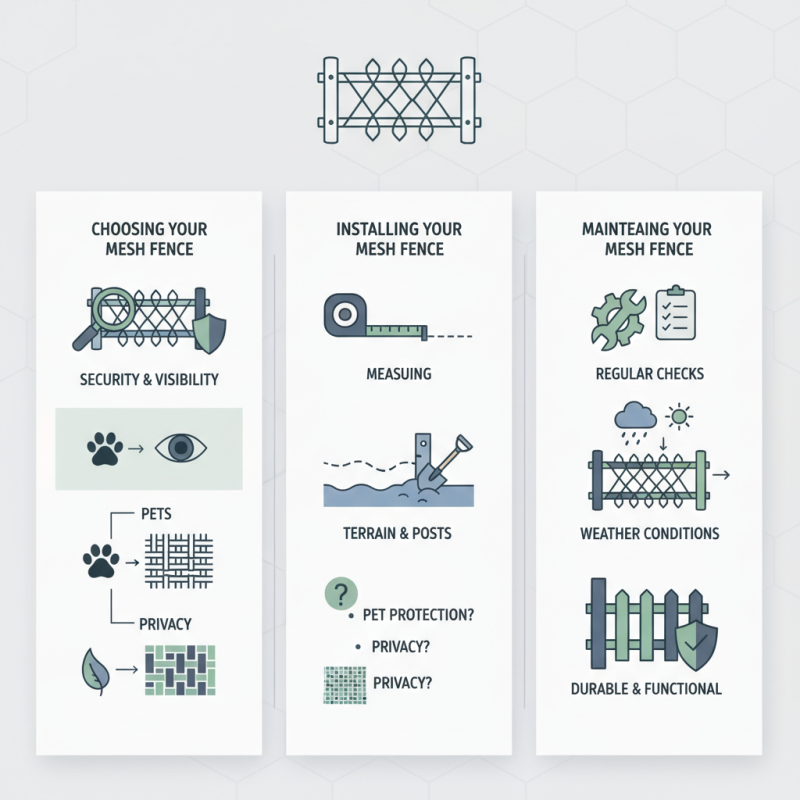
When considering a mesh fence, expert Tom Richards emphasizes its versatility. "A mesh fence provides both security and visibility," he says. Choosing the right mesh fence can be challenging. There are many factors to weigh during the selection process.

Installing a mesh fence requires careful planning. Measuring your space accurately is essential. A common mistake is underestimating the terrain. Keep in mind the purpose of your fence. Do you need protection for pets? Or is it for privacy? Each question leads to different mesh options.

Maintenance is another critical aspect. Over time, mesh can suffer from wear. Regular checks help prevent bigger issues. Consider weather conditions that may affect the fence. Not every fence will withstand harsh environments. Reflecting on these details ensures a functional and durable mesh fence.
Mesh Fence Tips for Choosing Installing and Maintaining Your Fence?

Mesh Fence Material Types: Pros and Cons for Different Applications

When choosing a mesh fence, the type of material is crucial. Common options include welded wire, chain link, and barbed wire. Each offers unique advantages. Welded wire provides durability and strength, ideal for gardens. Chain link is versatile and affordable but might lack aesthetics. Barbed wire excels in security but can pose risks.

Consider the specific application before deciding. If safety is a priority, opt for sturdy welded wire fencing. For pet enclosures, chain link could provide visibility while ensuring security. Barbed wire can deter intruders but may not be suitable for residential areas due to safety concerns.

Tips for installation include ensuring proper tension and securing posts firmly. Regular maintenance is essential too. Inspect for rust or damage, especially in chain link fences. A little maintenance goes a long way. Small issues can escalate into costly repairs if neglected. Choose materials that fit your needs and be prepared for minor challenges along the way.

Mesh Fence Tips for Choosing Installing and Maintaining Your Fence

Material Type Pros Cons Best Applications
Chain Link Cost-effective, durable, easy to install Less privacy, can rust if not coated Commercial properties, security fencing
Wire Mesh Strong, lightweight, versatile Requires maintenance, can be cumbersome to install Animal enclosures, garden fences
Welded Mesh Sturdy, higher security, good visibility Higher cost, heavier than other options Security fencing, commercial use
Electro-Fence Highly effective for deterring animals, adjustable Requires power source, higher installation complexity Livestock control, security

Key Factors to Consider When Choosing the Right Mesh Fence Height

When choosing the height for your mesh fence, consider the purpose it serves. A tall fence provides greater security, which is essential for commercial properties. However, a lower fence might suit residential areas better, allowing visibility and light. Balancing security needs with aesthetic appeal is crucial.

Also, think about the animals in your area. If you have pets, a higher fence prevents them from escaping. A short fence could be inadequate if local wildlife poses a threat. Take note of local regulations, as they often stipulate maximum heights for residential fencing.

In addition, the terrain matters. A slope may require adjustments to fence height. Uneven ground can challenge installation, leading to gaps or excess height in certain areas. Consider hiring a professional if the landscape is complex. Building a fence can reveal unexpected issues that require reflection and adjustments. Planning the right height thoughtfully can save time and money in the future.

Mesh Fence Height Analysis

This chart illustrates the common uses of various mesh fence heights, highlighting the frequency of selection for different applications. The data reflects practical considerations for choosing the right fence height based on intended use.

Installation Guidelines: Step-by-Step Process for Mesh Fencing

Installing a mesh fence can seem straightforward, but the details matter. Start by evaluating your property's boundaries. Accurate measurements are crucial. An incorrect assessment can lead to disputes. According to industry reports, 30% of installation issues stem from poor planning. Verify local regulations and property lines before proceeding.

Once you have a clear plan, gather all necessary tools. This includes stakes, string, and a level. Mark your fence line carefully. Digging holes for the posts should follow the required depth. About one-third of the post should be below ground, ensuring stability. Many overlook this, leading to leaning or unstable fences.

When placing the mesh panels, ensure they are taut. An unaligned fence compromises both security and aesthetics. After installation, regular maintenance is vital. Inspect for rust and wear every few months. In a recent survey, 45% of fence owners reported issues related to maintenance neglect. Small repairs can save significant costs and extend the fence's lifespan.

Maintenance Best Practices to Ensure Longevity of Your Mesh Fence

Mesh Fence Tips for Choosing Installing and Maintaining Your Fence?

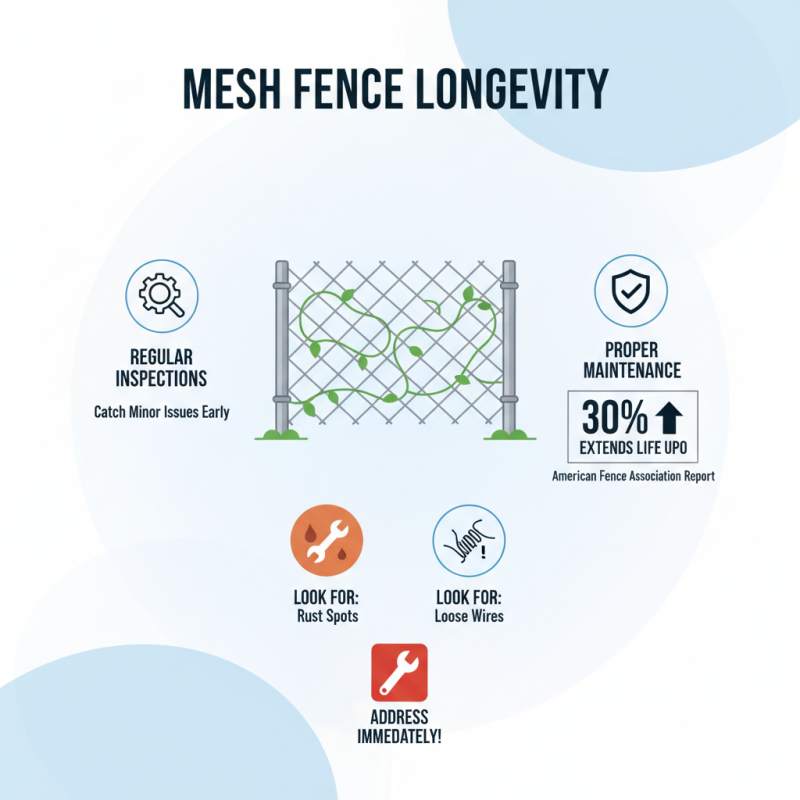
Maintaining your mesh fence is crucial for its longevity. Regular inspections can catch minor issues before they escalate. According to a report by the American Fence Association, proper maintenance can extend the life of a mesh fence by up to 30%. Look for rust spots or loose wires. Address these issues immediately.

Cleaning is another essential aspect. Dust and debris can accumulate over time. A simple solution is to hose down the fence regularly. Using a mild soap can help remove stubborn stains. Just ensure to rinse thoroughly. Neglecting this can lead to corrosion. A study indicates that fences not regularly cleaned may deteriorate four times faster.

Weather protection is vital too. In areas with harsh conditions, applying a protective coating can be beneficial. Look at local weather patterns. Extreme heat or heavy rainfall can impact the material. Not considering these factors may result in unexpected repairs, which can be costly.

Common Issues and Solutions for Mesh Fence Durability and Stability

Mesh Fence Tips for Choosing Installing and Maintaining Your Fence?

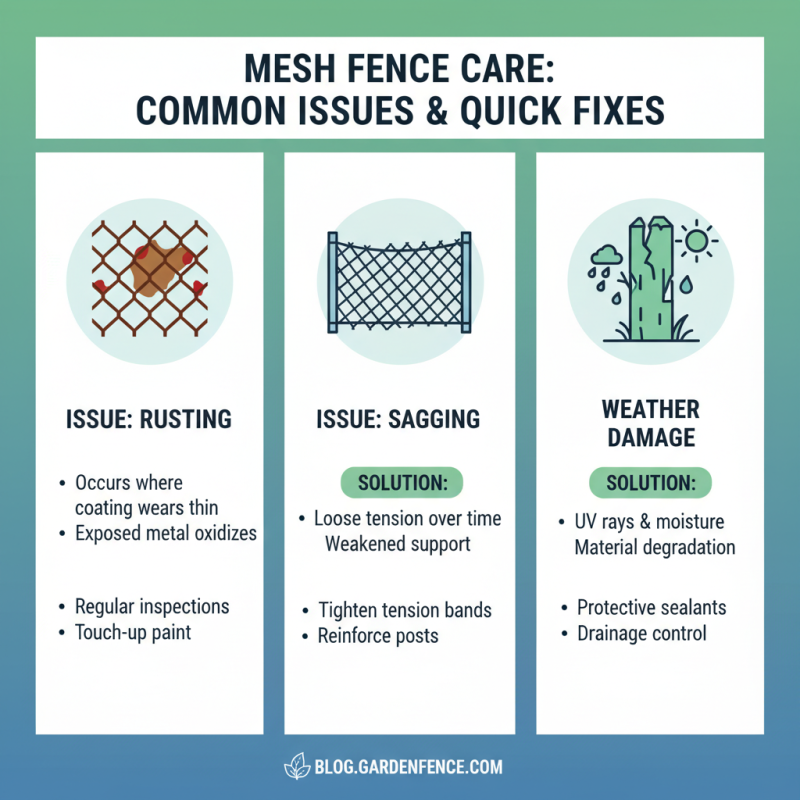
Installing a mesh fence can be straightforward, but it comes with its own set of challenges. Common issues include rusting, sagging, and damage from weather. Rust often develops in areas where the protective coating wears thin. Regular inspections can help spot these areas early. Sometimes, a quick touch-up with paint can prolong the life of your fence.

Sagging is another frequent problem. Over time, the weight of the mesh can pull it down. Ensuring adequate tension during installation is crucial. However, many overlook this aspect and end up with a less stable fence. Adding extra support at the corners can also prevent sagging in the long run.

Weather-related damage can be tricky. Strong winds can bend or break sections of the mesh. If you're in a windy area, consider choosing a more robust design. This is a reflective consideration for future modifications. Ultimately, maintenance is key. Regularly cleaning your fence keeps rust and debris at bay, ensuring better durability and stability.

Go to Top