What is Fence Netting and How Can It Benefit Your Outdoor Space
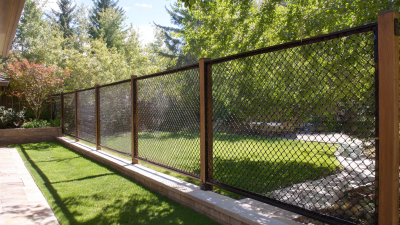
Fence netting is a versatile and practical solution for enhancing the functionality of outdoor spaces, providing both protection and aesthetic appeal. According to John Smith, a leading expert in landscape management, “Fence netting not only secures areas but also adds an element of design that can transform a yard into a more inviting space.” This statement encapsulates the dual purpose that fence netting serves—functionality and style.
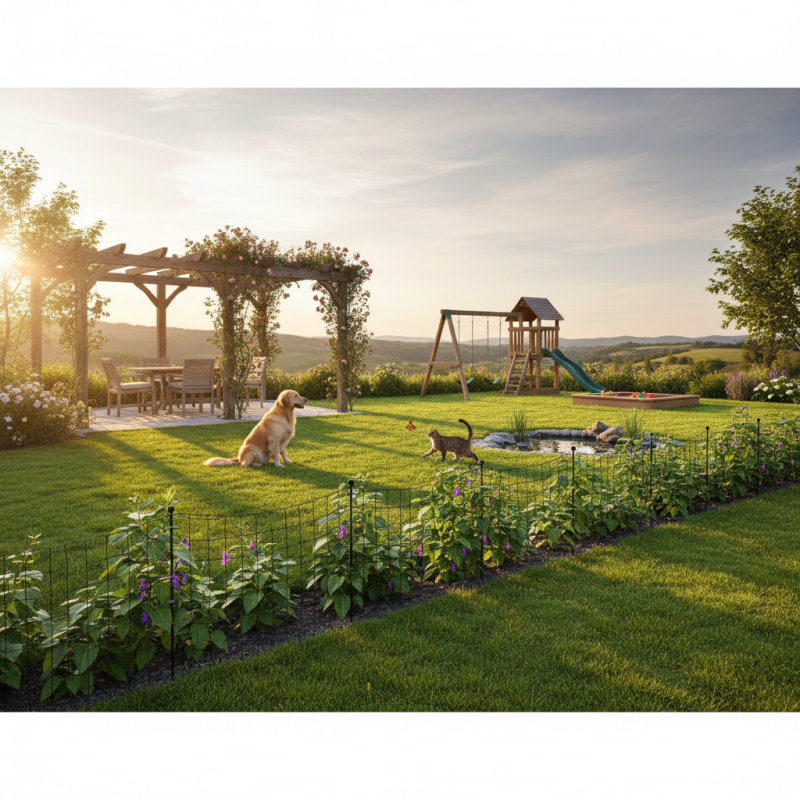
By implementing fence netting, homeowners can effectively address issues such as creating boundaries, securing pets, and protecting plants from wildlife. The lightweight yet durable material provides an unobtrusive barrier that can blend seamlessly with any landscape, offering an unobstructed view while still providing the necessary coverage. Furthermore, the benefits of fence netting extend beyond mere protection; it can also serve as a support structure for climbing plants, enhancing the natural beauty of gardens and outdoor living spaces.
In this article, we will explore the various types of fence netting available, their specific advantages, and how they can be strategically utilized to optimize your outdoor environment. Understanding the potential of fence netting can inspire homeowners to rethink their landscapes, making them not just secure but also visually appealing.
What is Fence Netting and Its Definition
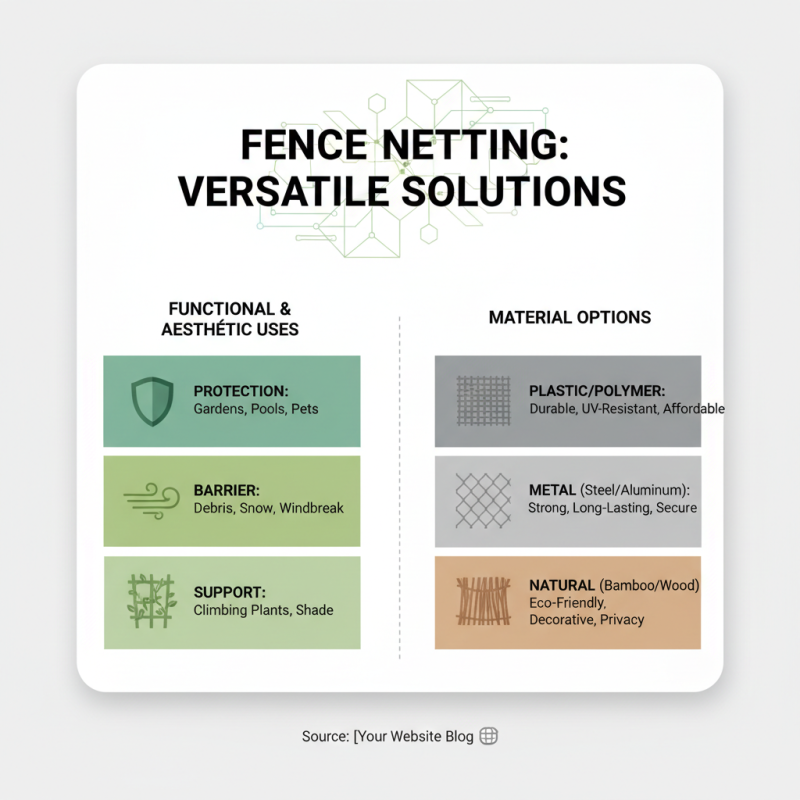
Fence netting is a versatile and functional material designed primarily for enclosing outdoor spaces. This type of netting is typically composed of durable materials like polyethylene or polypropylene, which offer both strength and flexibility. It comes in various mesh sizes and configurations, making it adaptable to different uses such as animal containment, plant protection, or barrier creation around gardens and yards.
One of the primary benefits of fence netting is its ability to provide safety and security without obstructing views. This transparent barrier is ideal for protecting small animals from predators while allowing natural light to filter through, creating a welcoming environment in your outdoor area. Additionally, fence netting can help keep pets in designated spaces, preventing them from wandering off while still offering them an open and airy environment to enjoy. Its lightweight nature also makes installation and maintenance hassle-free, ensuring that you can easily set it up and take it down as needed.
Types of Fence Netting Materials Available
Fence netting is a versatile solution for a variety of outdoor needs, serving both functional and aesthetic purposes. When it comes to selecting the right material for your fence netting, there are several options available, each with its own unique benefits.
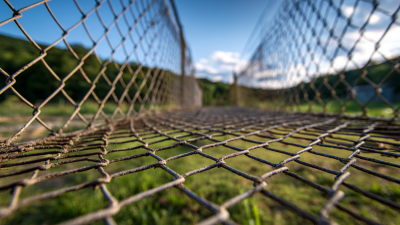
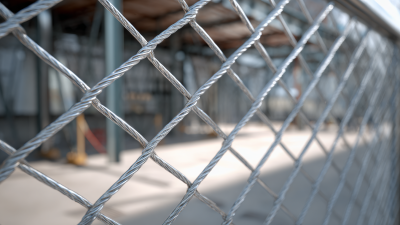
One popular choice is polyethylene netting, known for its durability and resistance to UV rays. This lightweight material is easy to install and works well for garden protection or creating barriers around pools. Another option is galvanized wire netting, which offers greater strength and is often used for animal enclosures or security purposes. Additionally, nylon netting is becoming increasingly popular due to its flexibility and resilience against harsh weather conditions, making it an excellent choice for temporary structures or sports areas.
**Tips**: When choosing fence netting, consider the specific purpose it will serve. For gardens, opt for lightweight polyethylene for ease of installation, while for more robust needs, galvanized wire is ideal. Always check the mesh size to ensure it meets your privacy and safety requirements.
Key Benefits of Using Fence Netting in Outdoor Spaces
Fence netting is an increasingly popular choice for enhancing outdoor spaces, offering numerous benefits that cater to both aesthetics and functionality. One of the primary advantages is its ability to provide a visual barrier while allowing airflow and light to permeate. According to a report from the American Society of Landscape Architects, well-designed outdoor spaces can increase property value by up to 15%. Fence netting can help define boundaries without detracting from the natural beauty of gardens and landscapes, making it an ideal solution for homeowners looking to create a more appealing outdoor environment.
In addition to its decorative benefits, fence netting serves practical purposes, such as enhancing safety and security. Research indicates that properties with effective perimeter treatments are less likely to experience break-ins; a study from the Security Industry Association shows that 60% of burglars choose not to attempt entry when they notice a visible security measure. Fence netting can deter unwanted animals and intruders, ensuring that your garden and outdoor areas remain safe for family gatherings or relaxation. Furthermore, its versatile nature means it can be customized to fit various heights and styles, accommodating different outdoor layout needs and preferences.
Benefits of Using Fence Netting in Outdoor Spaces
Installation Tips for Effective Fence Netting
When installing fence netting, proper preparation and technique are essential for achieving optimal results. First, assess your outdoor space to determine the type of netting that best suits your needs, whether for gardening, pet containment, or wildlife protection.
According to a report by the American Society of Landscape Architects, over 65% of homeowners recognize the value of secure fencing in maintaining healthy plants and lawns. For effective installation, ensure the area is clear of debris, rocks, and vegetation that might interfere with the netting's placement.
Begin by measuring the perimeter where the netting will be installed. It's crucial to select the right height and strength of the netting material based on its intended purpose. Lightweight netting may suffice for protecting plants from birds, while more robust options can provide security against larger animals. According to the National Gardening Association, utilizing properly installed fence netting can increase garden yield by up to 30% by preventing animal damage. Once measurements are taken, use sturdy posts and tension the netting securely to prevent sagging and ensure durability against wind and other elements.
Maintenance and Care for Long-lasting Fence Netting
Maintaining fence netting is crucial for ensuring its longevity and effectiveness in securing outdoor spaces. Regular inspections should be conducted to identify any signs of wear or damage, such as fraying or rusting. By addressing these issues promptly, you can prevent further deterioration and extend the lifespan of your fence netting. Additionally, it is essential to keep the netting clean and clear of debris, which can trap moisture and lead to mold or corrosion. A simple rinse with water and a mild detergent can help maintain its appearance and structural integrity.
Proper installation techniques also play a vital role in the durability of fence netting. Ensuring that the netting is taut and well-secured can reduce the risk of sagging or tearing over time. Furthermore, selecting the right material for your specific environment will influence how much maintenance is required. For instance, using rust-resistant materials in humid conditions can significantly decrease maintenance needs. By combining regular care with thoughtful installation, you can enjoy an effective and long-lasting fencing solution that enhances your outdoor space.