Top In-Wall Countdown Timer Features You Must Know?
The In-Wall Countdown Timer is becoming a staple in modern homes. Its sleek design blends seamlessly with any interior, providing both style and functionality. Homeowners now seek features that enhance convenience and energy efficiency.
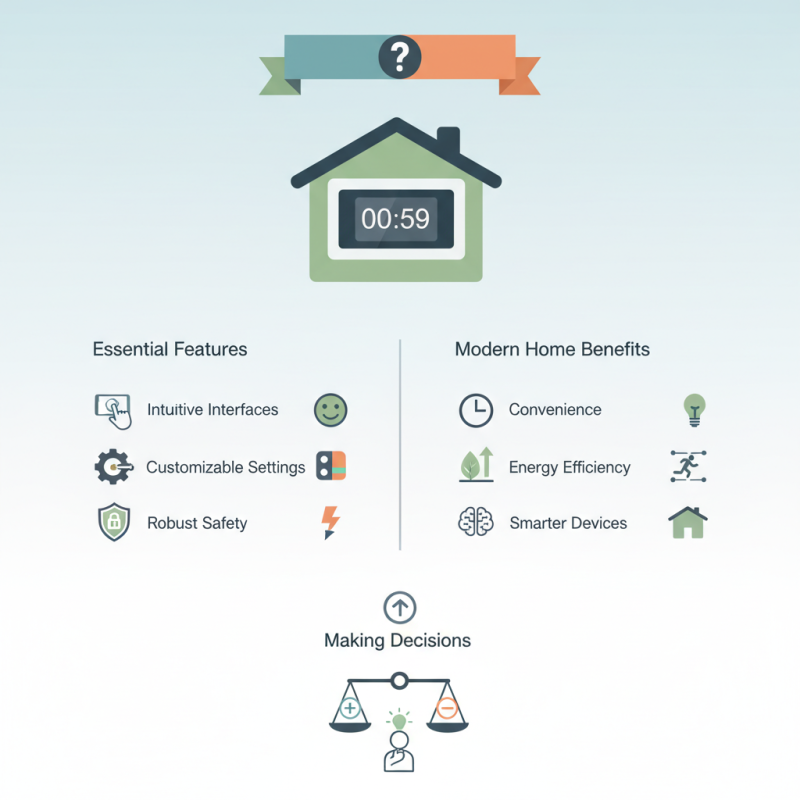
Understanding the essential attributes of an In-Wall Countdown Timer is critical for making informed decisions. Users benefit from intuitive interfaces, customizable settings, and robust safety features. However, not all models are created equal. Some might lack advanced functionalities or reliability.
As technology evolves, the demand for smarter devices increases. Consumers must reflect on their specific needs and consider how these timers can improve daily routines. It's essential to weigh the pros and cons of different options thoroughly.
Essential Functions of In-Wall Countdown Timers for Modern Homes
In today's modern homes, in-wall countdown timers are essential for efficient energy management. These devices integrate seamlessly into walls, providing convenience and control over various appliances. They allow homeowners to set specific times for lights or heating systems to turn on or off. This feature helps reduce energy waste, ultimately leading to lower utility bills.
One popular function of these timers is programmable settings. Homeowners can customize schedules for weekdays and weekends. Some timers even allow for vacation modes, ensuring that homes appear occupied while away. However, not all timers are easy to install or use. Users may struggle with complex programming instructions. A user-friendly interface is crucial to prevent frustration.
Another key feature is the timer’s ability to control multiple devices. This functionality is beneficial in rooms with several electronic devices. Yet, it’s essential to ensure that the timer can handle the total wattage of all connected devices. Overloading can create safety hazards. Therefore, careful consideration of specifications is necessary when selecting a countdown timer for your home.
Understanding Timer Settings and Programming Options
When selecting an in-wall countdown timer, understanding the settings and programming options is essential. Timer options can vary significantly, and knowing these can enhance user experience. According to a recent industry report, 40% of homeowners do not utilize advanced programming features. This statistic highlights the importance of comprehensive settings for user efficiency.
Programming options typically include daily, weekly, or monthly schedules. Some timers allow customization with multiple on/off settings. These features cater to diverse needs, such as automated lighting or HVAC management. However, many users overlook the possibility of seasonal adjustments. This can result in wasted energy.
Moreover, the interface plays a crucial role in usability. A complicated interface may frustrate users. Ease of navigation is often more beneficial than having numerous functions. Some studies indicate that simple timers have a higher user satisfaction rate. As technology evolves, timer designs should balance functionality and simplicity. This ensures all users, regardless of technical skill, can reap the benefits.
Benefits of Integrating In-Wall Timers with Smart Home Systems
Integrating in-wall timers with smart home systems offers numerous benefits. These timers streamline daily routines, allowing better control over lighting and appliances. According to a 2022 Smart Home Market report, homes with integrated systems save up to 20% on electricity bills. This significant reduction can lead to substantial savings in the long run.
Moreover, in-wall timers enhance convenience. They enable users to set schedules for lights and devices, creating a seamless home environment. A study from the National Renewable Energy Laboratory indicated that homes with smart timers experience a 30% increase in energy efficiency during peak hours. This is vital as energy prices rise, affecting household budgets.
However, integrating timers may present challenges. Compatibility issues can arise in diverse smart home ecosystems. Users must carefully research to ensure their systems work together. Additionally, some may find initial installation daunting without professional help. Despite these hurdles, the long-term benefits of in-wall timers, including energy efficiency and enhanced control, make them a worthwhile investment for many homeowners.
Safety Features to Look for in In-Wall Countdown Timers
When choosing an in-wall countdown timer, safety features are paramount. An estimated 28% of electrical fires are linked to improperly used devices, according to the National Fire Protection Association. Thus, timers should include built-in circuit protection to prevent overloads. This feature disconnects power when the load exceeds safe levels. Many modern timers have this capability, significantly reducing fire risks.
Another critical safety aspect is the timer's certification. Look for products certified by recognized organizations like Underwriters Laboratories (UL). Certifications ensure that the timer has passed rigorous safety tests. Interestingly, a survey by the Consumer Product Safety Commission revealed that untested devices are 50% more likely to malfunction. Investing in certified products can provide peace of mind.
Moreover, user-friendly features play a role in safety. Timers with clear displays and intuitive controls minimize errors. Misreading settings can lead to hazardous situations. Regular updates to firmware can enhance safety by patching known vulnerabilities. Users should be aware of these features and consider them carefully. In some cases, even slight oversights can have severe consequences.
Installation and Maintenance Tips for Long-lasting Performance
When installing in-wall countdown timers, proper maintenance is essential for optimal performance. Regularly inspect connections and settings to ensure the device functions flawlessly. A report from the Electric Power Research Institute suggested that proactive maintenance can extend device reliability by up to 30%. Check for dust and debris around the timer, as this can hinder performance.
In-wall timers can face wear and tear, especially in high-usage areas. If a timer becomes unresponsive or erratic, it may indicate a need for recalibration. Performing a simple reset can often resolve these issues. Remember, the design of in-wall timers means they can be limited by the electrical circuit they're connected to. Ideal voltage ranges should not exceed manufacturer specifications.
Utilizing surge protectors can enhance the longevity of your countdown timers. High voltage spikes can damage sensitive electronics. A study by the National Electrical Manufacturers Association highlighted that approximately 25% of all electrical component failures are due to power surges. Taking measures to prevent such issues is wise for user safety and functionality.