How to Choose the Right Electrical Cabinet Box for Your Needs?
Choosing the right electrical cabinet box is crucial for any electrical project. It ensures safety, durability, and efficiency. With various options available, making the right choice can be overwhelming. Different applications demand unique specifications. Consider your power needs, environment, and installation space.
An electrical cabinet box protects vital components from dust, moisture, and physical damage. Selecting the correct size and rating is essential. An undersized box can lead to overheating, while a poorly rated box may not withstand harsh conditions. Understanding these factors can significantly impact your system's performance.
Reflect on previous choices. Did your last cabinet box meet your expectations? Were there issues with space or functionality? These reflections guide better decisions moving forward. Remember, the right electrical cabinet box contributes to long-term reliability and safety in your electrical setup.
Types of Electrical Cabinet Boxes: Understanding Your Options
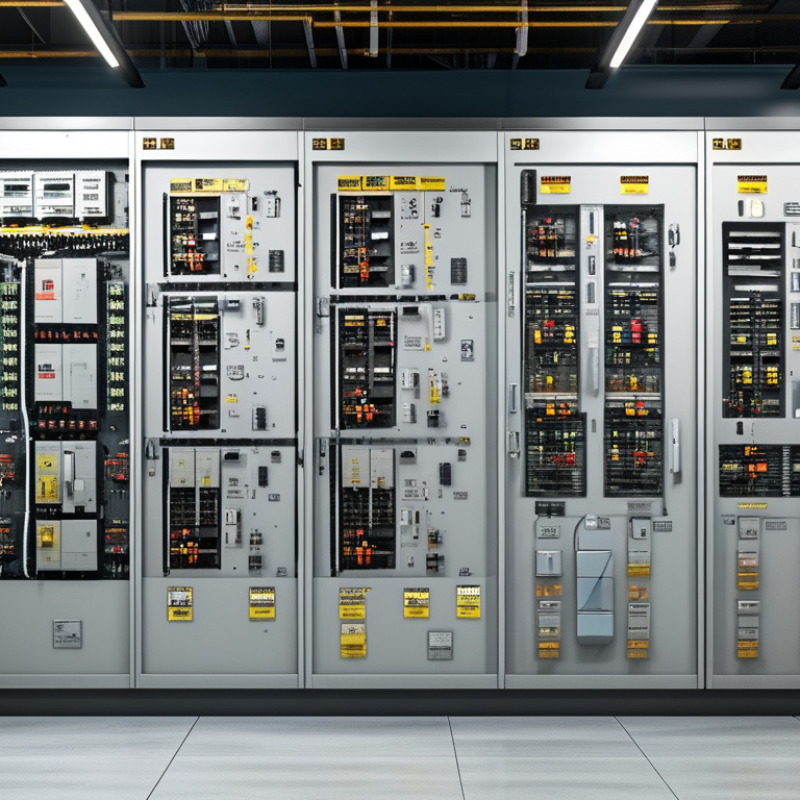
When selecting an electrical cabinet box, it’s vital to understand the types available. Each type serves a specific purpose and caters to different environments. For residential use, a compact and insulated box suffices. These boxes protect the circuitry from moisture and environmental factors. On the other hand, industrial settings often demand heavier, more durable options. Here, robustness and precision in rating are paramount.
Tips: Consider the environment. If it’s outdoors, look for weatherproof options. Indoor spaces may require less intense protection.
Another critical aspect is size. Ensure ample space for wiring and accessories. A cramped space can lead to stress on connections, causing failures. Choosing the right dimensions can prevent overheating and ensure reliability.
Tips: Always allow some extra space. This helps in future upgrades or repairs.
Don’t overlook installation requirements. Some cabinets need special mounting hardware. Make sure to check compatibility with your setup. Poor installation can undermine even the best cabinet box. This oversight can lead to long-term safety issues or increased maintenance.
Key Considerations for Sizing Your Electrical Cabinet Box
Choosing the right electrical cabinet box involves several key considerations, especially when it comes to sizing. First, think about the space where you will install the cabinet. Measure the area accurately to ensure a proper fit. An electrical cabinet that is too large can clutter the space, while one that is too small may lead to overheating or inefficiencies. A compact design can sometimes limit airflow, increasing risks.
Next, consider the electrical components you plan to house. Will you need additional space for future upgrades? Planning for expansion can save you trouble later. Take into account the size and number of circuit breakers, fuses, and wires. Each component requires some room, so be generous with your measurements. Failing to allow enough space can lead to a cramped setup that complicates maintenance.
Finally, the electrical load is critical. Calculate the total amperage your cabinet box needs to handle. Underestimating this can cause performance issues. If you’re unsure, reach out to a professional for guidance. Reliable advice can help you avoid costly mistakes. Selecting the right size is not just about fitting everything inside; it’s about ensuring safety and efficiency in your electrical system.
Material Choices for Electrical Cabinet Boxes: Pros and Cons
When selecting an electrical cabinet box, material choice is essential. Various options are available, each with distinct pros and cons. Commonly used materials include steel, aluminum, and plastic. Steel offers durability and strength. However, it can be heavy and prone to rust without proper treatment. Aluminum is lightweight and resistant to corrosion. Yet, it may not provide the same level of protection against impacts.
Plastic cabinets are another alternative. They are lightweight and resistant to various environmental conditions. On the downside, they might not withstand extreme temperatures as well as metal options. Each material brings unique features to the table. Consider factors like location and intended use when making your choice.
While many focus on the immediate benefits of each material, long-term implications are equally important. A cabinet might look great in the short term, but it’s essential to reflect on how it will perform over time. The right materials should align with both current needs and future demands. Knowing the strengths and weaknesses of each will help you make a more informed decision.
Material Choices for Electrical Cabinet Boxes: Pros and Cons
Safety Features to Look for in Electrical Cabinet Boxes
When selecting an electrical cabinet box, safety features should be a top priority. Look for UL certification to ensure the box meets stringent safety standards. A well-rated cabinet can prevent electrical hazards, such as short circuits and overheating. Solid construction materials, like metal or high-grade plastic, provide better protection against environmental elements.
Consider the IP rating, which indicates how resistant the box is to dust and moisture. An IP rating of 65 or higher is advisable for outdoor installations. This ensures that your electrical components remain safe from water and debris.
Tips: Always check for proper ventilation in the cabinet. Without adequate airflow, devices can overheat and fail prematurely. Additionally, ensure that the locking mechanism is robust to prevent unauthorized access.
It's crucial to reflect on the placement of the electrical cabinet. Avoid locations prone to flooding or excessive heat. If unsure, consult with a professional to assess the best options for your needs. Safety should never be compromised; it is an integral factor in your choice.
Installation Tips for Your Electrical Cabinet Box: Best Practices
When installing an electrical cabinet box, understanding the specific requirements is essential. One report by the National Electrical Manufacturers Association (NEMA) indicates that improper installation can lead to electrical failures in over 30% of cases. It’s crucial to ensure that the cabinet is appropriately rated for the environments it will be used in, especially if it’s located outdoors or in areas prone to moisture. Weather-resistant materials can significantly enhance longevity.
Placement matters too. Position the cabinet where it is accessible yet secure from unauthorized access. An industry survey found that about 25% of electrical failures stem from poor accessibility and maintenance practices. Labeling circuits clearly also aids in troubleshooting and enhances safety. Use high-quality labeling materials that withstand the elements.
Proper grounding is vital for safety. Ensure the cabinet is connected to a reliable grounding source. A study by the Electrical Safety Foundation International (ESFI) highlights that effective grounding reduces electrical shock risks by over 40%. Remember to verify all connections before closing the cabinet to prevent potential hazards. Installation might seem straightforward, but overlooking small details can lead to significant issues down the line.