How to Choose the Best Voltage Protector for Your Needs?
When selecting a Voltage Protector, it’s easy to feel overwhelmed. Many options flood the market, each with different features. A Voltage Protector is essential for safeguarding electrical appliances against voltage fluctuations. These fluctuations can cause damage, resulting in costly repairs or replacements. Choosing the right device requires careful consideration of your specific needs.
Personal experience often plays a vital role in making this choice. Many individuals learn through trial and error. They realize not all Voltage Protectors are created equal. Factors such as voltage rating, response time, and design variations can significantly impact performance. It's crucial to assess your environment and the devices you plan to protect.
Seeking advice from experts can also enhance your decision-making process. They can recommend trusted brands or models based on reliability and customer feedback. Reviewing user testimonials offers real-world insights into product performance. Remember, investing time in research can lead to a more effective choice for your home or business needs.
Understanding Voltage Protectors: The Basics of Function and Design
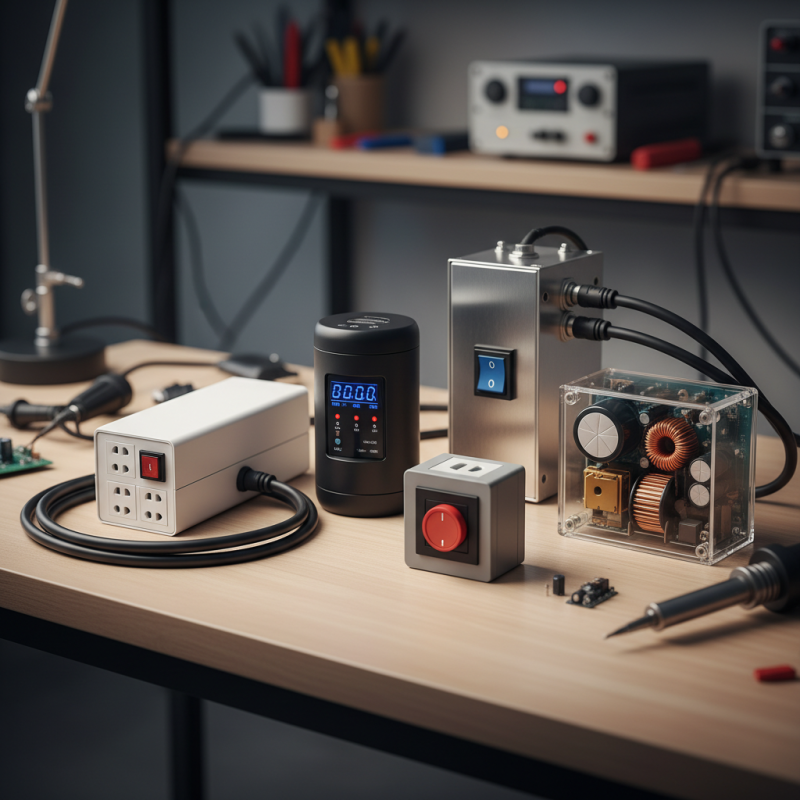
Understanding voltage protectors is essential for safeguarding your electronic devices. These devices help prevent damage from voltage spikes and surges. They come in various designs, each serving specific purposes. A common feature is their ability to detect and respond to harmful voltage levels in real time.
When choosing a voltage protector, consider the load capacity. This refers to the maximum power it can handle. Some models are more sensitive than others. This can lead to unnecessary disruptions. Look for units with a Reliable Indicator Light. This shows when the protector is functioning correctly.
Another important design aspect is the response time. A faster response can mean better protection for your devices. However, speed can compromise other functions. Regularly review the specifications to ensure they align with your needs. Keep in mind, not all voltage protectors are created equal, and some will not meet your specific requirements. Understanding these fundamentals helps in making informed decisions.
How to Choose the Best Voltage Protector for Your Needs?
| Feature | Description | Importance |
| Voltage Range | Defines the operating voltage limits of the protector. | Ensures protection is suitable for your electrical system. |
| Response Time | The time taken to react to voltage spikes or surges. | Faster response times can prevent damage to sensitive electronics. |
| Type of Protection | Surge protection, overvoltage, undervoltage, or a combination. | Choose based on your specific power conditions and equipment. |
| Installation Type | Wall-mounted, inline, or plug-in protectors. | Consider space and ease of access for installation. |
| Indicators | LED indicators for status alerts (proper functioning, fault). | Helps in monitoring the unit and quick identification of issues. |
| Warranty | Duration and conditions of the warranty offered. | A good warranty reflects quality and reliability of the product. |
| Price | Cost of the voltage protector. | Consider budget while ensuring adequate protection. |
Key Voltage Specifications: Voltage Range, Current Ratings, and Response Time
When selecting a voltage protector, understanding key specifications is crucial. The voltage range is the first consideration. You must identify the range your devices operate within. A protector should cover the necessary voltage to prevent overvoltage and undervoltage conditions. Choose one that matches your equipment's specifications closely. An incorrect range can lead to inefficiencies or damage.
Current ratings also play a vital role. They indicate how much current the protector can handle without failing. Ensure the rating exceeds your equipment's maximum current. This adds an extra layer of safety. Remember that higher ratings can sometimes mean higher costs. Assess your needs carefully. It could save you money.
Response time is another specification to ponder. This is how quickly a protector reacts to voltage fluctuations. Rapid response times are generally better. A slower response may leave devices vulnerable temporarily. It’s a detail that might be overlooked, but it matters. Think about the risks involved with slower devices. Overall, the selection process demands attention to detail. Reassess your choices to ensure they fit your specific requirements.
Common Types of Voltage Protectors: Surge Protectors, Voltage Regulators, and UPS
When choosing a voltage protector, understanding the common types is crucial. Surge protectors guard against spikes in voltage. These devices can prevent damage to your electronics during storms or power outages. They absorb excess voltage and direct it to the ground. However, not all surge protectors are created equal. Look for models with higher Joule ratings for better protection.
Voltage regulators maintain a consistent voltage level. They are especially useful if you experience frequent voltage fluctuations. These devices adjust incoming voltage to a stable output. This stability is vital for sensitive electronics. While effective, price and quality can vary. Make sure to compare specifications before purchasing.
Uninterruptible Power Supplies (UPS) provide battery backup during power outages. They allow you to save your work and shut down devices safely. A UPS can protect against both surges and sags in voltage. However, it’s important to choose the right capacity based on your devices. You might need additional research to find the right fit.
Tips: Always check for warranties. Trust products backed by solid customer reviews. Don't rush into a purchase. Take your time to evaluate each option carefully.
Industry Standards and Certifications: Essential Compliance for Quality Protection
When selecting a voltage protector, understanding industry standards and certifications is crucial. These certifications ensure that the device meets specific performance and safety criteria. Look for products that adhere to standards set by recognized organizations. Compliance with such standards often reflects the quality and reliability of the protector.
Tips: Always check for labeling on the product. Look for UL, CE, or other relevant marks. These indicate adherence to safety requirements and effective protection against voltage surges.
Many voltage protectors offer features that comply with regulations. However, not every product is created equal. Some might meet basic requirements but lack advanced protection features. Research customer reviews and technical specifications before making a decision.
Tips: Identify the specific needs for your equipment. Some devices may require higher protection levels due to sensitivity. Take the time to assess this requirement thoroughly. Each situation is unique, and a one-size-fits-all approach may not provide adequate protection.
Voltage Protector Performance Comparison
This chart compares the performance ratings of various essential features of voltage protectors. Ratings are based on a scale of 1 to 10, where higher values indicate better performance. Key features evaluated include Surge Protection, Over/Under Voltage, Noise Filtering, Response Time, and Energy Efficiency.
Assessing Your Needs: Capacity, Environment, and Device Compatibility Factors
Choosing the right voltage protector requires a thoughtful assessment of several key factors. Capacity plays a crucial role in this decision. Ensure the protector can handle the total wattage of your devices. An underpowered protector can lead to device failure. Calculate the combined wattage to avoid potential issues. It's vital to check the specifications, as mismatches can be detrimental.
The environment where the voltage protector will be used is another critical factor. A device used in a humid environment needs better moisture resistance. Consider temperature extremes too. Protectors designed for different climates perform variably. If the device will be in a garage or exterior environment, extra durability is essential.
Device compatibility is also important. Not all devices have the same voltage requirements. Some may be sensitive to fluctuations. Research the compatibility thoroughly. Ignoring this can result in device damage. You may feel overwhelmed with information. It’s normal to feel unsure. Sometimes, reaching out to professionals can provide clarity. Each situation is unique, so familiarize yourself with the specifics.