
Choosing the best Led Headlamp Dry Battery begins with real use, not impressive packaging. A trail runner needs low weight, steady brightness, and quick battery changes. A home emergency kit needs long storage life and dependable cold-weather performance. Those needs are different.
Recent market analyses from Grand View Research and Future Market Insights show continued demand for portable lighting, especially in outdoor recreation, work safety, and emergency preparedness. Their findings also point toward efficiency, durability, and user comfort as important buying factors. However, market growth does not prove that every new headlamp performs well. That shortcut can fail.
Battery behavior matters. IEC 60086 standards distinguish primary battery types, while manufacturer testing commonly shows that alkaline, lithium, and rechargeable cells deliver different results under heavy loads. Lithium AA or AAA batteries usually weigh less and perform better in cold conditions. Alkaline batteries remain widely available and affordable. Rechargeables may reduce waste, but they require charging discipline.
Dr. Isidor Buchmann, founder of Cadex Electronics and a recognized battery educator, wrote, “Batteries are not like fuel tanks that can be filled and emptied.” His point applies directly here. A headlamp’s advertised runtime may change with brightness, temperature, battery age, and electronic regulation.
I have made that mistake.
This guide examines beam quality, runtime testing, battery compatibility, comfort, water resistance, and storage needs. It also questions common assumptions, because a brighter lamp is not always the better lamp. A practical Led Headlamp Dry Battery should illuminate the next step clearly, remain comfortable for hours, and work when replacement power is not nearby.
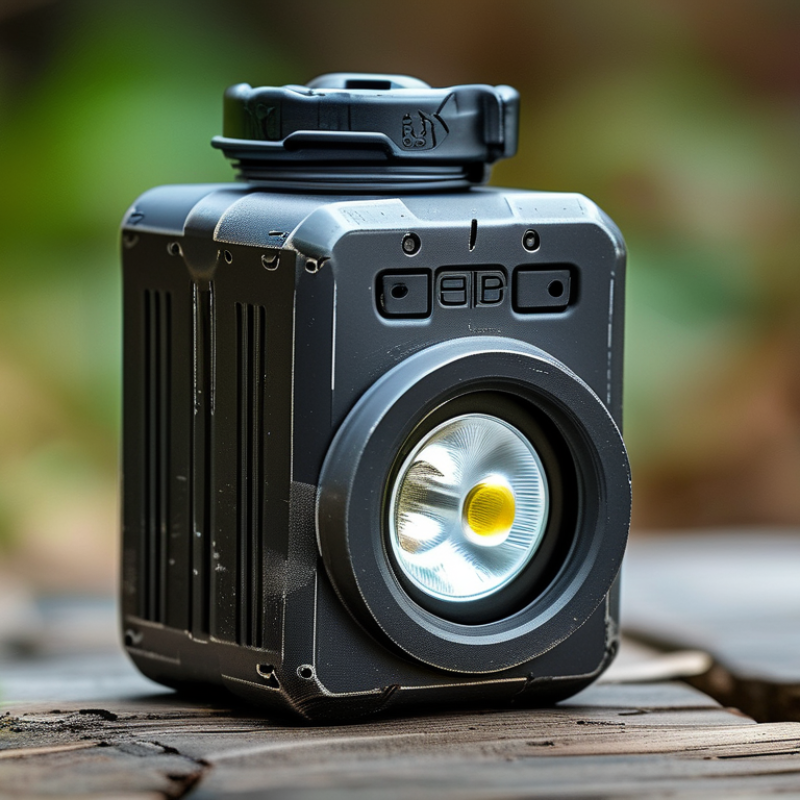
Before choosing an LED headlamp with dry batteries, define where and how you will use it. A short evening walk needs less light than trail repair or attic inspection. For close tasks, choose a wide beam with soft edges. It lights both hands and reduces harsh shadows. For distant paths, a focused beam helps reveal roots, signs, and uneven ground.
Brightness matters, but higher lumens are not always better. Excessive light can create glare on pale surfaces and drain batteries quickly. Check the useful runtime at your preferred brightness, not only the maximum output. A headlamp using common dry batteries is convenient during travel or power failures. However, cold weather may reduce battery performance. Test the lamp with fresh batteries before relying on it outdoors. I once trusted the advertised runtime too much. Real conditions were less generous.
Tips: Match the beam to the task. Use a low setting indoors. Carry spare batteries in a sealed case. Check the head strap for stable adjustment, especially when moving quickly. Look for a comfortable body, simple controls, and basic water resistance for unexpected rain. If children or older users will operate it, avoid complicated button sequences. A brief hands-on test can expose problems that specifications miss. Try it in a dark room.
Choosing a dry-battery LED headlamp starts with brightness, but lumens do not tell the whole story. In field testing, a 300-lumen lamp can feel more useful than a 600-lumen model with poor optics. Check the usable distance, not only the advertised maximum. A focused beam helps with distant trail markers, while a wide beam illuminates nearby tools and uneven ground. Some lamps offer both through adjustable lenses or separate LEDs.
Beam comfort matters after dark. A sharp hotspot may reveal a far object, but it can leave your peripheral vision nearly black. A smooth flood pattern feels safer around campsites, stairs, and workshop benches. Look for gradual edges rather than a harsh circle. I once chose the brightest setting and regretted it. Glare bounced from a pale wall and reduced my vision.
Operating modes should match real tasks. Low mode preserves dry batteries during reading or map checks. Medium mode suits walking, while high mode handles brief inspections. A red mode can protect night vision, though it may make colors difficult to judge. Test the controls with gloves before buying. Buttons can feel obvious indoors and frustrating outdoors. Also check whether brightness changes gradually or jumps between settings. Cold weather can weaken alkaline batteries, so practical runtime may fall below the package estimate. Carrying spare cells is sensible, but extra weight can become annoying. Reliability is partly about accepting that no single mode performs perfectly everywhere.
Choosing an LED headlamp with dry batteries starts with battery chemistry, not brightness alone. Alkaline cells usually provide 1.5 volts and are widely available. Lithium primary cells also provide about 1.5 volts, but they perform better in cold conditions and weigh less. Rechargeable nickel-metal hydride cells normally provide 1.2 volts. IEC 60086-2 specifies these nominal battery characteristics, but actual runtime depends heavily on the headlamp circuit.
Check runtime under a recognized test method. ANSI/PLATO FL 1-2019 measures runtime until light output falls to 10% of its initial level. This matters because a lamp advertised for 20 hours may become noticeably dim much earlier. A three-cell lamp using alkaline batteries can cost less initially, yet frequent replacement may exceed the cost of rechargeable cells after several months. Calculate the cost per 100 operating hours, including spare batteries. My own mistake was comparing package prices instead of usable runtime. The cheaper pack was not cheaper in practice.
Tips: Test the lamp at your preferred brightness for one evening. Record the time until the beam becomes uncomfortable. Choose lithium cells for freezing weather, alkaline cells for easy emergency replacement, and low-self-discharge NiMH cells for regular use. Keep one sealed spare set nearby. The European Portable Battery Association reports that portable battery waste remains a growing resource concern, so avoid replacing cells before performance actually drops. Check the manufacturer’s discharge chart, if available. Marketing numbers can be optimistic.
Choosing a dry-battery LED headlamp starts with comfort. A heavy lamp can press against your forehead after an hour. Look for balanced weight, a wide elastic strap, and easy angle adjustment. During field use, I prefer controls that work with gloves. However, some “comfortable” straps loosen when wet. That detail deserves testing.
Durability should be measured, not guessed. The ANSI/ISEA FL1-2019 standard covers runtime, beam distance, impact resistance, and water-resistance claims. Check whether the lamp completed controlled impact testing. For weather protection, an IPX4 rating handles splashing water, while IPX7 supports temporary immersion. These ratings do not guarantee corrosion-free battery contacts. Keep spare batteries sealed and inspect the compartment after cold, humid trips.
Safety features matter in real darkness. Choose regulated brightness, a red-light mode, and a low-battery warning. A lockout function can prevent accidental activation inside a backpack. The U.S. Department of Energy reports that modern LEDs can exceed 100 lumens per watt, but brighter is not always safer. Excessive glare can hide trail edges and disturb nearby users. ANSI/ISEA FL1 testing also separates measured beam claims from marketing language.
Tips: Test the headlamp with fresh batteries, gloves, and a damp strap. Check the battery door before every trip. I sometimes overlook comfort after ten minutes; that is a mistake worth correcting.
| Evaluation Dimension | Recommended Benchmark | What to Check | Why It Matters | Selection Result |
|---|---|---|---|---|
| Battery Type | Replaceable AA or AAA dry batteries | Confirm the battery compartment accepts standard alkaline or NiMH rechargeable batteries and can be opened without tools. | Standard dry batteries are widely available and can be replaced quickly when charging is not possible. | Choose a model with clear polarity markings and a secure battery cover. |
| Battery Protection | Protected, sealed compartment | Look for a gasket or O-ring around the cover, firm locking tabs, and contacts that are resistant to corrosion. | A sealed compartment helps prevent moisture and dirt from reaching the batteries and electronics. | Prefer a compartment that does not open accidentally during movement. |
| Weight and Balance | Light enough for extended wear; weight centered near the forehead | Check the product weight with batteries installed and whether the lamp tilts forward during walking or climbing. | Balanced weight reduces pressure on the forehead and prevents neck strain. | Choose a compact housing with the batteries positioned close to the head when possible. |
| Headband Comfort | Adjustable, breathable, non-slip band | Inspect the width, elasticity, padding, sweat resistance, and ease of adjustment while wearing gloves. | A stable headband keeps the beam aligned without requiring excessive tightening. | Prefer removable or washable bands for regular outdoor use. |
| Light Output | Use verified lumen information rather than marketing claims alone | Check whether the stated output follows a recognized flashlight testing method and whether the beam has both flood and spot coverage. | Lumens describe total light output, while beam shape and distance determine practical visibility. | Choose a wide beam for close work and a focused beam for trails or long-distance viewing. |
| Brightness Control | At least low, medium, high, and off modes | Test whether the lamp starts in a predictable mode and whether the controls can be operated with gloves. | Multiple levels help balance visibility, battery life, and eye comfort. | Prefer simple controls that reduce accidental activation inside a bag. |
| Runtime | Compare runtime at the same brightness level | Read the runtime graph or test conditions, including battery type, output level, and whether brightness decreases over time. | Runtime varies with battery capacity, temperature, LED efficiency, and brightness setting. | Choose a model with a low-output mode for emergencies and long-duration tasks. |
| Weather Resistance | IPX4 for splashing; IPX7 for temporary immersion | Check the complete IP rating. IPX4 indicates protection from water splashes, while IPX7 indicates protection during temporary immersion under standardized test conditions. | Weather resistance helps protect the lamp during rain, but it does not automatically mean protection from dust or chemicals. | For dusty environments, select a rating that includes a dust-protection digit, such as IP6X. |
| Impact Resistance | At least 1 metre when a verified impact rating is provided | Look for a stated impact-resistance test method and inspect the lens, housing, hinges, and battery cover for weak points. | A robust housing is less likely to fail after a short drop or accidental knock. | Prefer recessed lenses and reinforced attachment points for work or hiking. |
| Temperature Performance | Operating range suitable for the intended environment | Check the specified operating temperature and remember that alkaline batteries generally perform less effectively in cold conditions. | Low temperatures can reduce available battery capacity and shorten runtime. | For cold-weather use, carry spare batteries and consider compatible NiMH cells. |
| Heat Management | Stable housing with controlled thermal output | Run the lamp on high for several minutes and check for excessive heat near the forehead or battery compartment. | Heat can reduce comfort and may shorten LED or electronic-component life. | Choose a model that automatically reduces output when overheating is detected. |
| Safety Light Modes | Red light and a flashing or emergency mode | Check whether the red light can be selected without cycling through intense white light. | Red light helps preserve dark adaptation and is less disruptive to nearby people. | Prefer a dedicated red-light button or a clearly defined control sequence. |
| Visibility to Others | Rear-facing red indicator or reflective elements | Inspect whether the lamp can be seen from behind and from the sides when used near roads or shared trails. | Forward illumination does not always make the wearer visible to approaching people or vehicles. | Choose additional rear visibility for roadside work, cycling, or group activities. |
| Lockout Function | Electronic or mechanical travel lockout | Verify that the lamp cannot turn on accidentally inside a pocket or backpack. | Accidental activation can drain batteries and create heat inside enclosed storage. | Engage the lockout before transport and remove batteries for long-term storage. |
| Lens and Beam Safety | Clear lens with controlled glare | Check for a beam pattern that limits unnecessary glare and avoid shining the lamp directly into another person's eyes. | High-intensity LEDs can temporarily impair vision at close range. | Choose adjustable tilt and use the lowest effective brightness around other people. |
| Controls and Usability | Large, tactile, glove-friendly button | Test the button with gloves and confirm that mode changes are predictable without complicated sequences. | Reliable controls are important during darkness, rain, or emergency tasks. | Prefer a raised button with clear feedback and a separate lockout function. |
| Maintenance | Replaceable batteries and accessible seals | Check whether the battery contacts can be cleaned and whether the manufacturer provides replacement seals or care instructions. | Cleaning and drying the compartment helps prevent corrosion and extends service life. | Remove batteries before long-term storage and inspect the compartment after wet use. |
| Overall Suitability | Comfort, protection, runtime, and safety matched to the activity | Rate each category from 1 to 5 and give extra weight to weather resistance, battery access, and control simplicity for outdoor use. | The best headlamp is the one that remains comfortable and dependable in the conditions where it will be used. | Prioritize verified specifications over maximum advertised brightness. |
Choosing the best LED headlamp with dry batteries starts with your real tasks, not the highest lumen number. For evening repairs, 150–300 lumens usually provide enough close-range visibility. Trail users may need 400 lumens or more, especially on uneven ground.
The ANSI/PLATO FL 1 standard recommends comparing measured output, beam distance, runtime, and impact resistance under consistent testing conditions. Check all four.
A bright beam can still feel narrow and uncomfortable.
Battery choice changes the budget. Alkaline cells cost less initially and are easy to find, but cold weather and high output can reduce their performance. Rechargeable nickel-metal hydride cells may lower long-term waste, if charging is convenient.
The U.S. Department of Energy’s 2023 Solid-State Lighting report notes that LED efficacy has improved beyond 200 lumens per watt in laboratory devices. Retail headlamps perform lower.
That gap matters.
For camping, prioritize a stable strap, red light, and simple controls. For household emergencies, choose moderate brightness and a long low-mode runtime.
The International Energy Agency reports that LED lighting can use up to 90% less electricity than incandescent lighting, but headlamp savings depend on usage and battery chemistry.
Test the lamp with fresh batteries before trusting its runtime claims.
I once valued maximum brightness too highly. It drained batteries quickly and produced glare on nearby surfaces.
A cheaper, balanced model may serve better.
Contact Us