How to Choose the Best Vaccine Bags for Global Shipping?
Choosing the right Vaccine Bags is a practical cold-chain decision, not merely a purchasing task. A shipment may cross several climates, warehouses, and transport networks before reaching a clinic. Heat exposure, freezing, moisture, vibration, and handling delays can all threaten vaccine quality. The bag must protect the product while supporting clear, reliable temperature control.
This guide examines insulation materials, internal capacity, coolant placement, closure design, and transport durability. It also considers validated temperature ranges, data loggers, packaging configurations, and shipment duration. A bag designed for a short domestic trip may fail during a long international journey. The best choice depends on the vaccine, route, season, carrier, and expected delays. Small details matter.
Evidence should guide every decision. Buyers should review manufacturer test reports, conditioning instructions, reuse limits, and compatibility with qualified cooling packs. WHO recommendations, national health authorities, and air-transport requirements may also influence the final design. However, compliance documents alone do not guarantee successful delivery. Real-world trials are still necessary.
No package is perfect.
A useful evaluation combines supplier expertise with recorded shipping data. Teams should test packed bags under realistic temperature conditions, including airport delays and repeated opening. This process can expose weak points before valuable vaccines are shipped. It may also reveal that a larger bag is less efficient than a compact, properly configured model. That assumption deserves attention. By comparing protection, usability, cost, and environmental impact, organizations can select Vaccine Bags that support safer global distribution without relying on marketing claims alone.
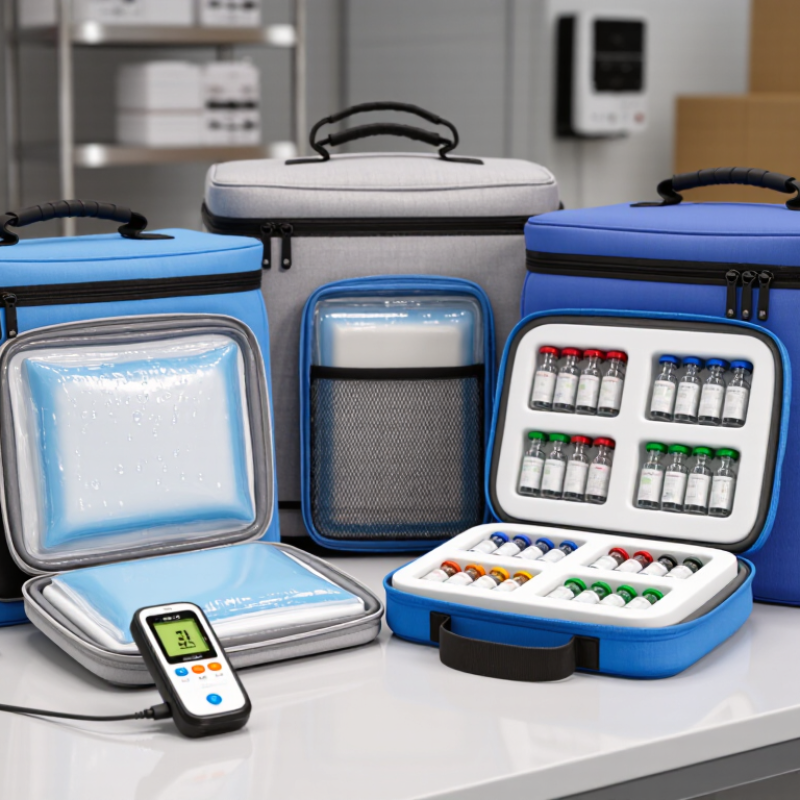
Define Vaccine Shipping Requirements and Temperature Limits
Choosing vaccine bags starts with the product, not the bag. Each vaccine has a labeled storage range, excursion allowance, and maximum exposure time. Confirm these limits with the manufacturer’s technical documentation and current regulatory guidance. Never assume “cold” means 2–8°C. Some products require freezing, while others can be damaged by ice contact. Ask whether light, vibration, or repeated temperature changes create additional risks. This step is often rushed. It should not be.
Map the full route from the packing room to the clinic. Record expected transit hours, customs delays, airport handling, and final-mile conditions. A bag for a short urban delivery may fail on a multi-day international route. Select insulation based on validated duration, not appearance. Use conditioned coolants when required, and separate them from cartons with protective layers. Leave no direct contact with sensitive vials. Small gaps can shift during handling.
Place calibrated data loggers near the vaccine load, where temperature changes matter most. Check readings after simulated hot and cold profiles before real shipment. Review pack-out instructions with staff, including preconditioning, sealing, and inspection. Seal integrity, water resistance, and tamper evidence also deserve testing. Documentation should capture lot details, packing time, logger identity, and any excursion. I have seen teams trust a single temperature reading. That is weak evidence. A well-designed bag supports control, but it cannot repair unclear limits or poor handoffs.
Compare Insulation, Refrigerants, and Bag Construction
How to Choose the Best Vaccine Bags for Global Shipping?
Vaccine bags need insulation matched to the shipment’s route and temperature range. Foam panels, vacuum insulation, and reflective liners provide different levels of thermal protection. Foam is practical for routine lanes. Vacuum panels save space but need careful handling. A crushed panel can create a hidden warm spot. Test the complete pack, not only the empty bag. Use temperature data from real routes, including airport delays and weekend storage. A perfect bag does not exist.
Refrigerants control the internal temperature during transit. Gel packs suit many chilled shipments, while frozen packs support colder conditions. Their quantity, placement, and conditioning time matter. Too much refrigerant may freeze sensitive products. Too little may fail during customs delays. Temperature loggers should sit near the payload, not against a cold pack. Bag construction also affects reliability. Look for strong seams, leak-resistant compartments, secure closures, and handles that tolerate repeated lifting. Clear labels and tamper-evident features improve handling visibility.
Tips: Check the lane’s summer and winter profiles. Confirm the payload’s required range. Precondition refrigerants consistently. Leave enough space for air circulation. Photograph the packed bag before dispatch. Review every excursion, even minor ones. Some failures come from rushed packing, not poor materials. That detail deserves attention. Reassess the design after each route change.
How to Choose the Best Vaccine Bags for Global Shipping?
Compare insulation, refrigerants, and bag construction for temperature-controlled transport.
Insulation
Lower thermal conductivity generally means better insulation. Vacuum insulated panels provide the strongest thermal barrier but require careful handling and higher cost.
Refrigerants
Use phase-change materials near 2–8°C for refrigerated products. Gel packs freeze near 0°C, while dry ice sublimates at −78.5°C and is suitable only for products approved for deep-frozen transport.
Bag construction
Choose sealed, puncture-resistant liners with low air leakage, adequate packout space, and an external temperature indicator or data logger for international shipments.
Typical thermal conductivity values shown at approximately room temperature: polyurethane foam 0.020–0.028 W/m·K, expanded polystyrene 0.032–0.038 W/m·K, extruded polystyrene 0.028–0.036 W/m·K, and vacuum insulated panels 0.004–0.008 W/m·K. Actual performance depends on thickness, moisture, seams, payload, refrigerant quantity, and route conditions.
Evaluate Protection Against Time, Impact, and Environmental Exposure
How to Choose the Best Vaccine Bags for Global Shipping?
Choosing vaccine bags for global shipping requires more than checking insulation claims. The bag must protect temperature-sensitive contents across long, uneven journeys. Review the expected transit time, including customs delays and weekend storage. A 24-hour design may fail when a shipment waits two days at a depot. Ask for validated data, not only laboratory promises. Test the packed configuration with temperature sensors during simulated routes. Real experience matters here. Warehouse teams should record loading time, gel-pack conditioning, and opening frequency. Small handling errors can change results.
Impact protection deserves equal attention. Vaccine bags may be dropped, stacked, or squeezed inside crowded vehicles. Look for a stable inner chamber, secure closures, and cushioning around fragile containers. A rigid outer case can reduce crushing, but it may add weight and shipping cost. Check seams after repeated opening and closing. I once saw a bag pass a thermal test yet develop a torn corner after rough handling. That result was useful, but not comforting. Drop tests should use realistic weights and angles. Empty-bag testing can hide weaknesses.
Environmental exposure includes heat, cold, moisture, sunlight, and dust. Select materials that resist condensation and remain effective when the exterior becomes wet. In hot regions, reflective layers may reduce heat gain. In cold regions, excessive cooling can be just as harmful. Use clear packing instructions with conditioning times and placement diagrams. Staff should not guess. No design removes every risk. Recheck performance when routes, pack sizes, or seasonal conditions change. Independent validation, traceable records, and corrective reviews support reliable decisions.
Check Compliance, Tracking, and Global Transport Compatibility
Choosing vaccine bags for global shipping requires more than selecting strong insulation. Compliance, tracking, and route compatibility must work together. WHO guidance estimates that up to 50% of vaccines may be wasted because of temperature failures and logistics problems. This makes validated thermal performance essential. Check whether the bag maintains the required range, such as 2°C to 8°C, for the full transport duration. Request test data for summer heat, winter exposure, airport delays, and repeated handling.
Tracking should provide useful evidence, not just a flashing indicator. Select data loggers that record temperature, time, location, and excursion duration. GDP guidelines and IATA Temperature Control Regulations support documented control throughout air transport. A bag may pass a laboratory test yet fail during customs delays. That gap deserves attention. Tracking data should be easy to download and review after delivery.
Tips: Match the bag’s qualification profile with the actual route. Confirm aircraft, road, and warehouse requirements before purchase. Check coolant conditioning instructions carefully. Over-frozen packs can damage sensitive vaccines. UNICEF supply-chain reporting continues to highlight the importance of reliable cold-chain equipment in reaching remote locations. Use tamper-evident seals, clear labels, and backup temperature monitors. A perfect plan is unrealistic. Build a response process for delays, damaged packaging, and missing data. Test one complete route before wider deployment.
Select the Best Vaccine Bag Through Testing and Cost Assessment
How to Choose the Best Vaccine Bags for Global Shipping?
Selecting a vaccine bag should begin with evidence, not attractive specifications. Check the insulation material, internal capacity, seal quality, and compatibility with approved cooling media.
Test it hard.
Place packed bags in temperature chambers that imitate airport delays, hot loading docks, and freezing exposure. Record the internal temperature continuously with calibrated data loggers. A useful design should protect the required temperature range, not merely look stable in a laboratory.
Physical testing matters too. Perform drop, vibration, compression, and leak tests after conditioning the bag at different temperatures. Inspect seams and closures carefully. Small gaps can create large risks. Review test records, sampling methods, and acceptance limits before comparing suppliers. Independent laboratory results are valuable, but they still need practical packaging trials with real payloads and loading patterns.
Cost assessment should include more than the purchase price. Calculate cooling materials, packing time, storage space, return handling, disposal, monitoring devices, and potential product loss. A cheaper bag may require extra refrigerant or more manual checking. That difference can disappear quickly.
Reusable designs may reduce waste, yet cleaning and inspection add labor. Our early cost estimates often missed these details. Recheck them with actual shipping data. Compare performance across routes, seasons, and shipment sizes before making a final choice.