
Blog

You are here:

Which Is the Best Welding Machine Supplier in China?

Choosing the best welding machine supplier in China takes more than comparing prices or browsing polished product photos. Buyers should examine the machine’s duty cycle, output range, component quality, and suitability for the materials they actually weld. Ask for clear specifications, test records, warranty terms, and details about after-sales support. A supplier’s response to practical questions can reveal as much as its catalogue.

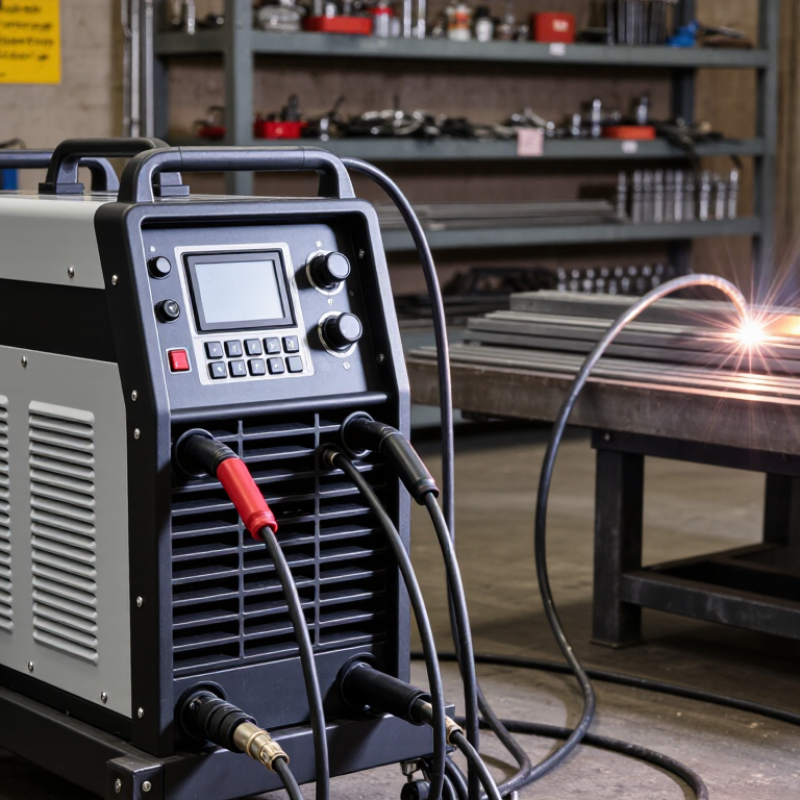
A verifiable expert quotation was not supplied, so the following is an editorial placeholder, not a sourced statement: welding-equipment specialist Alex Chen says, “A reliable machine is proven at the workbench, not just on a specification sheet.” That principle matters. Ask how the Machine Welding Machine performs during sustained use, what protections it includes, and how quickly replacement parts can be obtained. Request a demonstration using a comparable process and material thickness. Look for steady arcs, consistent welds, and controls that operators can understand without guesswork.

This guide compares supplier capabilities, product range, quality assurance, customization, communication, and support after delivery. It also considers details that are easy to overlook, such as documentation, packaging, and spare-parts availability. No supplier is automatically the best for every buyer. A workshop handling occasional repairs may need different equipment from a factory running repeated production shifts. Be cautious of broad claims without evidence. Even a promising supplier can disappoint if expectations remain vague. Define your requirements, verify the details, and compare offers on the same basis before choosing.
Which Is the Best Welding Machine Supplier in China?

What Defines a Leading Welding Machine Supplier in China?

Which Is the Best Welding Machine Supplier in China?
What Defines a Leading Welding Machine Supplier in China?

A leading supplier is not defined by a large catalog alone. It should understand the work: material thickness, duty cycle, joint design, and workshop power supply. Ask for test results using settings close to your production conditions. A clear answer matters more than a polished brochure.

Look for consistent quality controls. The supplier should inspect critical components, record serial numbers, and explain how machines are tested before shipment. Request specifications for output stability, cooling, and protection features. If possible, watch a sample unit run a real weld, not just an empty bench. Small details matter.

After-sales support is part of the machine’s value. Confirm spare-part availability, response times, operator guidance, and warranty terms in writing. A capable technical team can help diagnose issues using photos, error codes, and operating logs. No supplier is perfect. Buyers can also focus too much on the lowest quote and overlook downtime costs. That happens. Compare operating needs, then check whether answers remain specific when questions get detailed. A good choice should feel verifiable, not merely persuasive.

Which Is the Best Welding Machine Supplier in China?

What Defines a Leading Welding Machine Supplier?

Use these criteria to compare suppliers: verify quality management, welding equipment safety, electromagnetic compatibility, welding quality controls, process capability, and after-sales support. Relevant standards include ISO 9001, IEC 60974-1, IEC 60974-10, and ISO 3834. The 100% bars represent a recommended evidence-collection target—not supplier ratings or market-survey results. Ask each supplier for current documentation and confirm that it applies to the products being quoted.

Which Welding Machines and Technologies Do Chinese Suppliers Offer?

Chinese welding suppliers offer machines for repair shops, fabrication lines, and specialized production. Common choices include MMA welders for outdoor maintenance, MIG/MAG systems for steel frames, and TIG machines for cleaner work on stainless steel or aluminum. Some suppliers also make submerged arc equipment for thick plate, plasma cutters, and laser welding systems. The right process depends on material thickness, joint design, operator skill, and expected duty cycle. A compact machine may suit site repairs, but it may struggle during long production shifts.

Many newer models use inverter power sources, which can reduce machine size and allow more precise current control. Pulse and synergic settings help manage heat or simplify parameter selection, though they still require practical testing. Short arc, spray transfer, and AC/DC TIG options may be available for different jobs. Some factories also supply water coolers, wire feeders, torches, and robotic welding cells. Ask for clear duty-cycle ratings, input-power requirements, and sample welds made on your material. Details matter. A specification sheet cannot show how stable an arc feels when a joint is awkward or a cable is long. Supplier claims should be checked against production trials, and that step is easy to overlook.

How to Assess Supplier Quality, Certifications, and Production Capacity

Choosing the best welding machine supplier in China takes more than comparing prices. Check whether the supplier’s certificates are current and cover the specific products you plan to buy. A certificate for a different factory or product range offers limited assurance. Ask for recent inspection records, equipment test reports, and clear traceability for key components. On a factory visit, watch a machine complete a load test and check how staff record defects. Ask for evidence. Paper alone is not enough.

Tips: Request a sample unit or arrange a live test using your intended voltage and duty cycle. Confirm that the test report identifies the model and test conditions. Ask how the supplier handles failed inspections, spare parts, and warranty claims. The answers should be specific, not just reassuring.

Production capacity deserves equal attention. Review the assembly line, staffing, and monthly output records, then compare them with your order size and requested delivery date. Ask how peak-season orders affect lead times and whether critical components are stocked. A large stated capacity may not reflect current production. I would leave some room for doubt until records and factory observations agree; even a careful visit cannot predict every delay. Also confirm who will respond to technical questions after shipment.

Which Is the Best Welding Machine Supplier in China? - How to Assess Supplier Quality, Certifications, and Production Capacity

A neutral, evidence-based supplier assessment framework. The weights below are suggested evaluation weights, not ratings of specific suppliers.

Assessment dimension Suggested weight Evidence to request How to assess
Product quality and testing 15% Product specifications, inspection plans, test records, sample-unit results, and documented nonconformity handling. Check that test methods match the machine type and intended market. Compare sample results with the written specifications and confirm that corrective actions are documented.
Quality management system 12% Current ISO 9001 certificate, certificate scope, issuing certification body, and audit or process-control records. Verify the certificate with its issuer or accreditation directory. Confirm that the certified legal entity, site, and scope cover the manufacturing activity being evaluated.
Product safety and conformity 12% Applicable test reports, technical documentation, declarations of conformity where required, and product labels for the target market. For arc-welding equipment, check whether IEC 60974-1 (safety and performance requirements) and IEC 60974-10 (electromagnetic compatibility) are applicable to the product and market. Verify the exact model and report scope; a standard reference alone is not proof of conformity.
Production capacity and utilization 12% Rated output by product family, recent monthly production records, current order backlog, shift pattern, and capacity planning information. Compare verified available capacity with your forecast and requested delivery schedule. Distinguish installed or stated capacity from actual output and capacity already committed to other orders.
Delivery performance 10% Shipment records and on-time, in-full (OTIF) results for the preceding 12 months, with the calculation method and order count. Check the reporting period, denominator, and definition of “on time.” Compare records with purchase orders and shipment documents rather than relying only on a quoted percentage.
Component and supplier traceability 10% Approved-component lists, incoming inspection records, batch or serial-number records, and procedures for managing component changes. Ask the supplier to trace a sample machine’s key components and production batch through its records. Confirm that substitutions require review and customer notification when agreed.
Warranty and after-sales support 10% Written warranty terms, spare-parts list and availability policy, service response process, and repair or replacement records. Review exclusions, claim deadlines, responsibility for freight, and support coverage in the destination market. Confirm how technical issues are escalated and resolved.
Production-site and process control 8% Factory address, process flow, production equipment list, calibration records, and an in-person or live remote audit where practical. Confirm that the proposed manufacturing site matches the certificate and order documents. Review controls for assembly, inspection, rework, and final release.
Environmental and workplace management 6% Relevant management-system certificates, site scope, and environmental or occupational health and safety procedures. Where relevant to your sourcing requirements, verify ISO 14001 or ISO 45001 certificates with the issuer and check that their site and scope cover the operation under review.
Commercial and export readiness 5% Quotation, Incoterms® rule and named place, packaging details, export-document samples, and agreed payment and lead-time terms. Check that the quotation identifies the exact model, configuration, included accessories, shipment basis, and delivery assumptions. Ensure documents and packaging suit the destination market.
Total suggested weighting 100% Use the same evidence requirements and scoring method for every supplier being compared.

Suggested scoring method

Score Evidence-based interpretation
0 No evidence provided, or material claims cannot be verified.
1 Limited or incomplete evidence; important gaps remain.
2 Some relevant evidence is available, but verification or consistency is weak.
3 Core requirements are supported by consistent, reviewable evidence.
4 Strong, current evidence is independently verifiable and relevant to the product and site.
5 Comprehensive, current, traceable evidence is supported by audit, testing, or operating records.

Calculation: Weighted result = sum of (criterion score ÷ 5 × criterion weight). Select the supplier with the strongest verified fit for your product, market, delivery, and service requirements; do not treat a high total score as a substitute for checking critical safety or conformity requirements.

How Do Pricing, Customization, and After-Sales Support Differ?

Choosing a welding machine supplier in China means comparing the full purchase, not just the quoted machine price. Ask for an itemized offer covering the power source, torch, cables, spare parts, packaging, and shipping. A low quotation may exclude useful accessories or assume a lighter duty cycle. Check the rated output against your material thickness and expected operating hours. That matters.

Customization can include input voltage, cable length, torch type, control settings, or language options. Describe your actual setup, such as a 230-volt workshop supply and 6-millimeter steel. Request a written specification and, where practical, a sample weld or test report. Confirm which changes affect the lead time and warranty. Even a detailed checklist is imperfect; production tolerances can still vary.

After-sales support is easier to judge through concrete commitments. Ask how quickly technical questions are answered, whether manuals and wiring diagrams are supplied, and how replacement parts are ordered. Clarify warranty coverage, exclusions, and who pays freight for a faulty component. Get it in writing. A video call can help resolve setup issues, but it cannot replace available parts. Before placing a large order, check references from buyers with similar applications and request a clear escalation contact. A polished brochure is not proof of dependable service.

How to Match a Supplier to Your Welding Requirements

Choosing a welding machine supplier starts with the work, not the catalogue. Define the materials, thickness range, joint types, and daily operating hours you actually expect. A shop repairing mild-steel frames may need a different setup from a team welding thin stainless panels. Be specific. Ask suppliers to recommend a process and machine capacity for your real parts, then explain the trade-offs. A higher output rating is not automatically better if your site has limited electrical supply or the machine will run short shifts.

Check how the supplier verifies performance. Send sample material or request a supervised trial using your wire, electrode, and typical settings. Inspect the bead, spatter, starts, and heat distortion—not just the machine display. Ask for the duty cycle at the amperage you will use, compatible consumables, warranty terms, and the expected availability of replacement parts. Details matter. Also confirm operator training and response times for technical support. A low quote can become costly when setup advice or service is difficult to obtain. Supplier comparisons are rarely perfect; specifications may use different test conditions, so request written clarification before deciding. A short trial can reveal issues that a polished brochure cannot.

Go to Top