What Is the Best Welded Wire Mesh Fence for 2026? The answer depends on your site, climate, security needs, and installation budget. A strong fence for a dry garden may fail quickly beside salty coastal air. A narrow mesh can protect pets, while a heavier panel suits workshops, farms, and commercial boundaries. There is no universal winner.
This guide examines real performance details, including wire diameter, mesh openings, panel stiffness, post spacing, and protective coatings. In practical installations, these features matter more than attractive product photos. A 6-gauge panel with a durable galvanized or powder-coated finish can resist impact and weather better than a lighter panel. However, poor welds or weak posts can still undermine the entire system. Small details matter.
We also consider installation experience from contractors, property owners, and fencing professionals. Their observations reveal problems that specifications sometimes hide. Panels may bend during transport. Coatings can scratch around cut edges. Concrete footings may crack when drainage is ignored. These issues deserve honest attention. Some recommendations remain imperfect because soil, rainfall, and maintenance habits vary widely. That limitation should not be ignored.
Rather than naming one product without context, this article compares suitable welded wire mesh fence options for different applications. You will see where rigid panels provide value, where roll mesh remains practical, and when extra corrosion protection is sensible. The goal is a reliable decision, not a fashionable purchase. Measure carefully. Inspect every weld. Then choose the fence that fits your conditions.
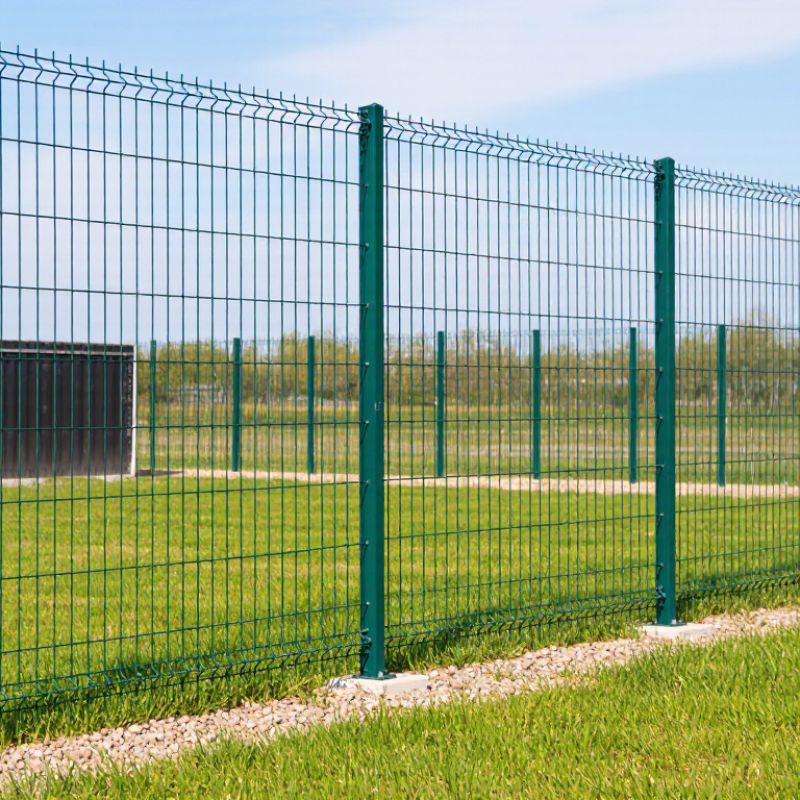
What Is the Best Welded Wire Mesh Fence for 2026?
Welded wire mesh begins with the steel specification. ASTM A1064/A1064M covers carbon-steel wire and welded wire reinforcement, including dimensional and mechanical requirements. It is not a complete fence-design standard. That distinction matters. A contractor should still verify wire diameter, weld quality, coating, and panel tolerances.
Common layouts include 2-inch by 2-inch mesh for gardens, pets, and general boundaries. A 2-inch by 4-inch pattern suits larger animals and improves visibility. Smaller 1-inch by 2-inch openings offer stronger resistance against reaching and climbing. I have found that thicker wire often matters more than a dramatic mesh pattern. However, thicker is not always better when posts are weak.
The 2024 World Steel Association World Steel in Figures reported about 1.89 billion tonnes of crude steel production in 2023. That scale supports broad material availability, but it does not prove consistent fence quality. The U.S. Geological Survey’s 2024 Mineral Commodity Summaries also identified steel scrap as a major domestic metal input, reinforcing the value of checking recycled-content claims carefully.
Tips: Ask for the actual ASTM reference, wire diameter, coating weight, and weld-shear test results. Measure the opening diagonally. Small errors become obvious across a long fence. Galvanized wire usually handles outdoor moisture better, while powder coating improves appearance but can hide poor welds. I would not choose a panel from photographs alone. A sample cut edge often reveals more than a sales sheet.
This comparison shows the opening area of common welded wire mesh designs. Smaller openings provide better control of small animals and debris, while larger openings generally allow greater visibility and airflow. ASTM A1064/A1064M covers carbon-steel wire and welded wire reinforcement requirements; the best fence design also depends on wire diameter, coating, height, and site conditions.
Choosing the best welded wire mesh fence in 2026 requires more than checking its appearance. Wire gauge shows thickness, while tensile strength shows how much pulling force the wire can resist before breaking. A lower gauge number usually means thicker wire. However, gauge alone does not prove better performance. Weld quality, steel composition, coating, and panel design also affect real strength.
A practical comparison begins with the technical sheet. Check the wire gauge, tensile strength range, mesh opening, and weld strength. For example, a thicker wire may resist bending around a gate corner. Higher tensile strength can help the mesh withstand sudden pulling or animal pressure. Yet extremely rigid mesh may transfer stress to posts and connectors. The entire fence system matters.
Field conditions can expose weaknesses that laboratory figures miss. Inspect welded joints closely, especially where wires cross and coatings appear thin. Ask whether test results describe the finished wire or untreated steel. That detail changes the comparison. A common mistake is assuming the heaviest mesh always lasts longest. It may not, especially in wet soil or areas with repeated impact. I would also avoid relying on one advertised number. Sample testing, installation quality, and regular inspections remain important, though inspection habits are often overlooked.
For a 2026 fence specification, start with the steel core, not the color. ASTM A641 covers zinc-coated carbon steel wire, including coating grades and coating weight. Heavier zinc protection generally helps exposed mesh resist moisture and early rust. Inspectors should check wire diameter, zinc coating, weld quality, and damaged areas after fabrication. Small bare spots can become visible around welds.
PVC-coated mesh adds another barrier over the metal surface. ASTM F668 addresses PVC-coated steel chain-link fence fabric, including coating performance and testing requirements. It does not automatically govern every welded wire mesh product. That distinction matters. Ask for written compliance details, especially when a supplier cites F668 for welded panels. The PVC layer should remain continuous, firmly bonded, and free from cracks after bending or cutting.
In coastal air, road-salt zones, or damp agricultural settings, galvanized wire with PVC coating can offer stronger practical protection. Yet thicker coating is not always better. Poor adhesion, sharp cut ends, or weak welds can still shorten service life. I have seen attractive green coatings hide rough weld points. That is easy to miss.
A reliable comparison should include ASTM A641 coating class, PVC thickness, adhesion results, tensile strength, aperture size, and test documentation. Confirm the intended exposure before choosing. Dry inland sites may need less protection. Humid sites demand closer inspection. The cheapest quotation is often incomplete.
What Is the Best Welded Wire Mesh Fence for 2026?
Mesh opening size controls more than appearance. It affects security, animal safety, airflow, and cleaning. A 2-inch opening offers tighter protection against small pets, poultry, and reaching hands. It also adds weight and may cost more. A 4-inch mesh often suits dogs, goats, and general residential boundaries. However, determined animals may still push through weak corners.
The American Society for Testing and Materials recommends checking fence installation, tension, and post stability under ASTM F567. Mesh alone cannot create reliable security. For larger livestock, 6-inch openings can reduce material use and improve visibility. They may be unsuitable for young animals, which can squeeze through surprisingly narrow gaps. USDA Natural Resources Conservation Service guidance also stresses matching fence design with animal size, pressure, and terrain. That practical point is easy to overlook. A 2024 industry market analysis estimated steady global growth for welded mesh, driven partly by agricultural and security applications. Yet market growth does not prove every mesh specification works everywhere. I would test a short panel first, especially on uneven ground. Check gaps near the soil, gates, and corners. Those small spaces often become the real failure points.
What Is the Best Welded Wire Mesh Fence for 2026?
The best welded wire mesh fence for 2026 depends on use, height, corrosion class, and installation cost. For gardens, a 3- to 4-foot panel usually controls pets without blocking sunlight. Livestock areas often need 5- to 6-foot fencing, with smaller openings near the ground. Security applications may require 7 feet or more, stronger posts, and anti-climb spacing. Height changes both material use and wind pressure. Short fences cost less.
Corrosion class matters in real outdoor conditions. C2 protection suits dry, inland locations with limited humidity. C3 is more suitable for regular rainfall, urban pollution, and humid farmland. Coastal air, industrial emissions, or constant moisture may justify C4 or C5 protection. Hot-dip galvanizing generally protects welded joints better than a thin surface coating. Inspect cut ends and weld points carefully. They fail first.
Indicative installed costs in 2026 may range from 20 to 45 dollars per linear foot for standard residential fencing. A six-foot, heavily galvanized system can reach 35 to 70 dollars per linear foot. Gates, concrete, corner posts, rocky soil, and removal work raise the final bill. Local labor can change these figures sharply. I would not trust a low quote without checking post spacing, coating thickness, and warranty terms. Measure twice.
| Best Use in 2026 | Recommended Fence Type | Typical Height | Mesh Opening | Wire Diameter | Recommended Corrosion Class | Recommended Finish | Security and Durability | Estimated Material Cost USD per Linear Foot |
Estimated Installed Cost USD per Linear Foot |
Installation Notes |
|---|---|---|---|---|---|---|---|---|---|---|
| Residential gardens and landscaping | Decorative welded wire panel fence | 3–4 ft (0.9–1.2 m) |
2 × 2 in (50 × 50 mm) |
2.5–3.0 mm | C2: Low to moderate exposure | Pre-galvanized steel, powder-coated where appearance is important | Good for pets, plants, and clearly defined property edges; not designed for forced entry resistance | $5–$12 | $18–$35 | Usually installed on timber or light steel posts; simple ground conditions keep labor costs low |
| Dogs and household pets | Heavy-duty welded pet fence | 4–6 ft (1.2–1.8 m) |
2 × 4 in (50 × 100 mm) |
3.0–4.0 mm | C3: Moderate outdoor exposure | Hot-dip galvanized after welding or galvanized and PVC-coated | Good resistance to bending and chewing; choose smaller openings for small dogs | $8–$18 | $25–$48 | Use a buried or turned-in lower edge where digging is likely; gates should use secure latches |
| Standard residential boundary fencing | Rigid welded wire security panel | 5–6 ft (1.5–1.8 m) |
2 × 4 in (50 × 100 mm) |
3.5–4.5 mm | C3: Moderate exposure | Hot-dip galvanized steel with optional polyester powder coating | Balanced visibility, appearance, and resistance to impact or casual climbing | $12–$25 | $30–$60 | Concrete-set steel posts provide better rigidity than driven posts, especially in windy locations |
| Schools, parks, and playgrounds | Low-climb welded mesh fence | 6–8 ft (1.8–2.4 m) |
2 × 4 in or 2 × 8 in (50 × 100 or 50 × 200 mm) |
4.0–5.0 mm | C3–C4: Moderate to high exposure | Hot-dip galvanized and powder-coated steel | High visibility with moderate anti-climb performance; suitable for public areas | $18–$35 | $45–$85 | Specify rounded or protected edges in areas used by children and follow local safety requirements |
| Commercial premises and warehouses | Heavy welded security mesh panel | 6–8 ft (1.8–2.4 m) |
Approximately 3 × 1 in (76 × 25 mm) |
4.0–5.0 mm | C4: High industrial or urban exposure | Hot-dip galvanized after welding; powder coating adds appearance and protection | High resistance to cutting, impact, and deformation compared with light garden mesh | $25–$50 | $60–$115 | Use tamper-resistant fasteners and reinforced corner, gate, and terminal posts |
| Critical infrastructure and high-security sites | Anti-climb welded security mesh | 8–10 ft (2.4–3.0 m) |
Approximately 3 × 0.5 in (76 × 12.7 mm) |
4.0–6.0 mm | C4–C5: High to very high exposure | Heavy hot-dip galvanizing, duplex powder coating, or a stainless-steel specification where justified | Very high anti-climb and anti-cut performance; suitable for controlled-access perimeters | $35–$75 | $85–$160 | Engineering may be required for wind loads, foundations, gates, cameras, and intrusion-detection systems |
| Agricultural livestock and farm boundaries | Large-opening welded livestock mesh | 4–6 ft (1.2–1.8 m) |
4 × 4 to 4 × 6 in (100 × 100 to 100 × 150 mm) |
3.0–5.0 mm | C3: Moderate rural exposure | Hot-dip galvanized steel | Good for livestock separation and farm access control; opening size must match the animal type | $8–$22 | $20–$45 | Use heavier corner braces and allow for uneven ground; avoid openings that can trap hooves or heads |
| Coastal, marine, and salt-spray locations | Marine-grade welded wire fence system | 5–8 ft (1.5–2.4 m) |
2 × 4 in or project-specific | 3.5–5.0 mm | C5: Very high marine exposure | Duplex system: hot-dip galvanizing plus powder coating; stainless steel may be used for severe exposure | Highest corrosion resistance among common steel fence options when properly specified and maintained | $25–$60 | $65–$135 | Use compatible stainless or corrosion-resistant fittings and prevent cut edges from remaining unprotected |
| Temporary construction and event fencing | Portable welded wire panel fence | 6–8 ft (1.8–2.4 m) |
2 × 4 in (50 × 100 mm) |
3.0–4.0 mm | C2–C3: Low to moderate exposure | Pre-galvanized or painted steel | Moderate security; designed for rapid relocation rather than permanent foundations | $10–$25 | $18–$40 | Weighted feet or temporary ground anchors improve stability; inspect after severe wind |
Cost basis: Planning estimates in 2026 U.S. dollars for standard welded wire mesh systems. Installed prices include typical posts, fittings, and ordinary labor but exclude gates, demolition, difficult rock or concrete excavation, permits, engineering, and major grading. Actual prices vary by region, project quantity, height, coating specification, site access, and wind-load requirements.
Corrosion classes: The C2–C5 labels are practical exposure categories aligned with common atmospheric-corrosion classifications: C2 for low exposure, C3 for moderate exposure, C4 for high industrial or urban exposure, and C5 for very high marine or aggressive exposure. Coating selection should be confirmed against the site environment and the applicable local standard.
Contact Us