2026 Best Cable Trunking Types for Global Buyers?
Global buyers are entering 2026 with higher expectations for safer, cleaner, and more adaptable cable infrastructure. Cable trunking now supports data centers, factories, offices, transport facilities, and renewable-energy projects. It is no longer just a plastic channel hiding wires.
Market evidence supports this shift. Grand View Research identifies cable management as a growing global market, driven by data-center expansion, industrial automation, and building renovation. MarketsandMarkets also forecasts continued demand for organized cable routing systems across commercial and industrial applications. These reports describe broad market direction, not a perfect product forecast. Regional purchasing decisions still vary considerably.
Standards matter at the specification stage. IEC 61084-1 establishes general requirements for cable trunking and ducting systems used in electrical installations. Buyers should also verify fire behavior, impact resistance, ingress protection, temperature limits, and material declarations. A warehouse near the coast may need corrosion-resistant metal. A hospital corridor may require smooth, easy-clean surfaces. A server room may need separation between power and data cables.
No single type wins everywhere.
Metal trunking offers strength and shielding potential, while PVC and other polymers can reduce weight and installation time. Flexible systems suit frequent changes, but they may appear less robust in demanding environments. That trade-off deserves honest review. Some projects still over-specify materials, increasing cost without improving performance. Others focus only on purchase price and overlook labor, maintenance access, and future capacity.
This guide compares the best cable trunking types for global buyers in 2026, using practical installation experience, recognized standards, and current industry evidence.
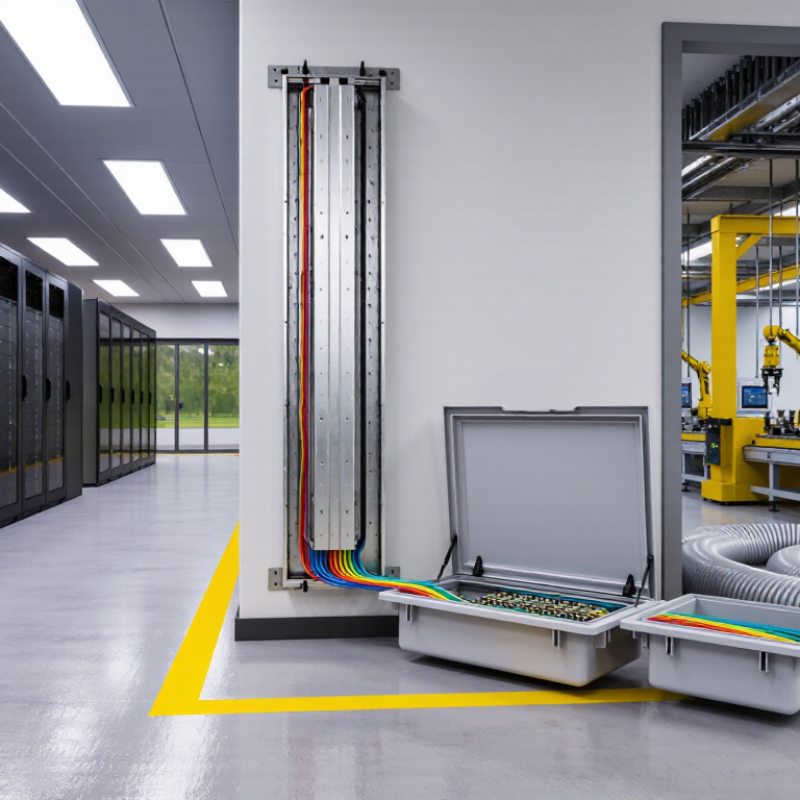
What Is Cable Trunking and How Does It Organize Cables?
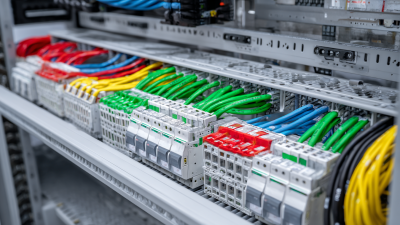
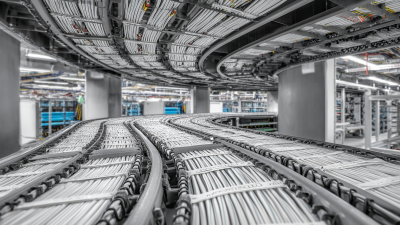
Cable trunking is a protective channel that carries and organizes electrical, data, and communication cables. It is usually made from PVC, galvanized steel, aluminum, or other durable materials. Unlike loose cables, trunked cables follow a planned route along walls, ceilings, floors, or equipment frames.
Inside the trunking, cables can be separated by function. Power lines may stay apart from network cables, reducing confusion and possible signal interference. Removable covers also make inspection easier. A technician can trace one cable, add another, or replace a damaged line without opening an entire wall. That practical access matters in offices, factories, workshops, and data rooms.
Cable trunking also improves physical protection. It helps shield cables from dust, accidental impact, moisture, and repeated movement. Different designs suit different spaces: solid trunking protects sensitive wiring, slotted trunking supports neat branch connections, and flexible trunking follows curved equipment routes. Cable capacity deserves careful attention. A channel filled too tightly becomes difficult to inspect and may restrict future upgrades.
Small detail.
Installers should leave spare space for expansion. I have seen tidy installations become difficult because every available gap was used. Planning is sometimes less perfect than expected. Large cables may need wider bends, stronger supports, or separate routes. A suitable trunking system therefore depends on cable volume, environment, access frequency, and installation skill, not appearance alone.
2026 Best Cable Trunking Types for Global Buyers
What Is Cable Trunking and How Does It Organize Cables?
Cable trunking is an enclosed or semi-enclosed wiring management system used to route, protect, separate, and organize electrical, data, and control cables. The chart compares common trunking types using a practical 1–5 engineering suitability index, where 5 indicates stronger suitability for the listed characteristic.
Higher protection is generally preferred in exposed installations, while higher accessibility and ventilation are important for frequently modified or heat-sensitive cable systems. Final selection should consider cable size, fill capacity, ambient temperature, impact exposure, fire requirements, corrosion conditions, and applicable local standards such as IEC 61084-1, IEC 61537, or relevant national electrical codes.
Which Cable Trunking Types Are Available in 2026?
In 2026, global buyers can choose from several cable trunking types. Solid-wall trunking hides cables neatly in offices, schools, and commercial interiors. PVC versions are lightweight, corrosion-resistant, and easy to cut on site. They suit low-voltage wiring and dry indoor spaces. Use flame-retardant grades where project requirements demand them. Standard white remains common, but grey and black finishes support industrial layouts.
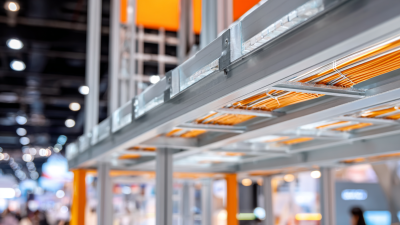
Metal trunking offers stronger mechanical protection. Galvanized steel handles workshops, corridors, and equipment rooms well. Aluminum is lighter and resists corrosion in humid areas. Stainless steel suits harsh environments, including food-processing and coastal facilities. Slotted trunking improves cable access and heat release. Perforated trunking supports ventilation and flexible cable routing. Hinged covers reduce maintenance time. Small details matter.
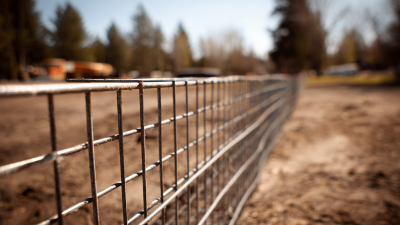
Wire-mesh trunking provides excellent visibility and drainage. It works well below raised floors and in data rooms. However, loose cables can look untidy without careful separation. Buyers should check wall thickness, cover fit, bend accessories, and earthing arrangements. Request material certificates, fire-performance data, load ratings, and installation guidance. Local electrical and building requirements still need verification.
In practice, I have seen projects choose cheap PVC, then replace it after heat or impact problems. That choice looked efficient at first. It was not. Even experienced teams can underestimate future cable growth, so spare capacity deserves a physical check before ordering.
How Do Materials and Designs Affect Trunking Performance?
Material choice changes how cable trunking handles heat, impact, moisture, and installation errors. Steel trunking offers strong mechanical protection and supports heavier cable loads. However, it can corrode in coastal or chemical environments without suitable surface treatment. PVC trunking resists moisture and remains easy to cut on site. It may soften under high temperatures, though.
The International Energy Agency’s Electricity 2024 report expects global electricity demand to grow by about 4% in 2024 and 2025. That growth increases pressure on commercial buildings, factories, and data infrastructure. Trunking must therefore provide more than neat routing. It needs adequate internal space, heat dissipation, and safe access for future cable additions. IEC 61084-based systems help buyers compare containment performance through tests for impact, temperature, and resistance characteristics.
Design details matter as much as raw material. Smooth interiors reduce abrasion during cable pulling. Rounded edges protect installers’ hands and cable jackets. Ventilated designs can lower heat buildup, but they may offer less dust protection. Sealed trunking protects sensitive wiring in dusty areas, yet poor filling calculations can trap heat. I have seen projects specify strong trunking but ignore expansion joints and wall movement. That mistake creates stress later.
No material wins everywhere. Buyers should verify load ratings, operating temperatures, ingress protection, flame behavior, and installation conditions against local codes and the manufacturer’s tested data. Over-specification also deserves reflection; heavier systems can increase labor, transport, and structural demands without improving every project.
Which Standards and Installation Factors Matter Internationally?
2026 Best Cable Trunking Types for Global Buyers
International cable trunking selection begins with standards, not appearance. Check whether the system follows IEC 61084 for cable trunking and ducting assemblies. Local requirements may also reference EN, national electrical codes, or product safety rules. Confirm the required voltage rating, impact resistance, temperature range, and flame performance. An IP rating matters in dusty or wet locations. However, IP protection does not automatically prove fire safety or mechanical strength. Ask for current test reports and installation instructions. Documents should match the exact material, size, and configuration being purchased.
Installation conditions often decide whether a good product performs well. Measure cable quantity, bending radius, heat buildup, and future expansion before choosing dimensions. Separate power, control, and communication cables where interference or local codes require it. Metal systems may need bonding and earthing. Plastic systems need suitable support spacing, especially under high temperatures. Outdoor projects also require UV resistance, drainage, and allowance for thermal movement. A common mistake is filling the trunking too tightly. It may pass inspection initially, yet become difficult to maintain later.
Tips:
Request samples before bulk orders. Test lid closure, corner pieces, wall fixings, and cable access on site. Check whether tools and replacement parts are locally available. Record the installation temperature and support spacing. Standards help, but they cannot correct poor measurements. I have seen projects overlook expansion gaps, then repair cracked sections months later. Recheck the details.